

Care for Young Women
Care for young women centers on supporting their physical, reproductive, emotional, and social well-being during adolescence and early adulthood—a period marked by rapid physical growth, hormonal shifts, identity formation, and increasing independence. Because this stage lays the groundwork for lifelong health, comprehensive, compassionate, and developmentally appropriate healthcare is essential. The primary goals are to promote healthy growth, prevent disease, identify and manage emerging health concerns early, and empower young women with the knowledge, skills, and confidence needed to make informed decisions about their bodies and lives.
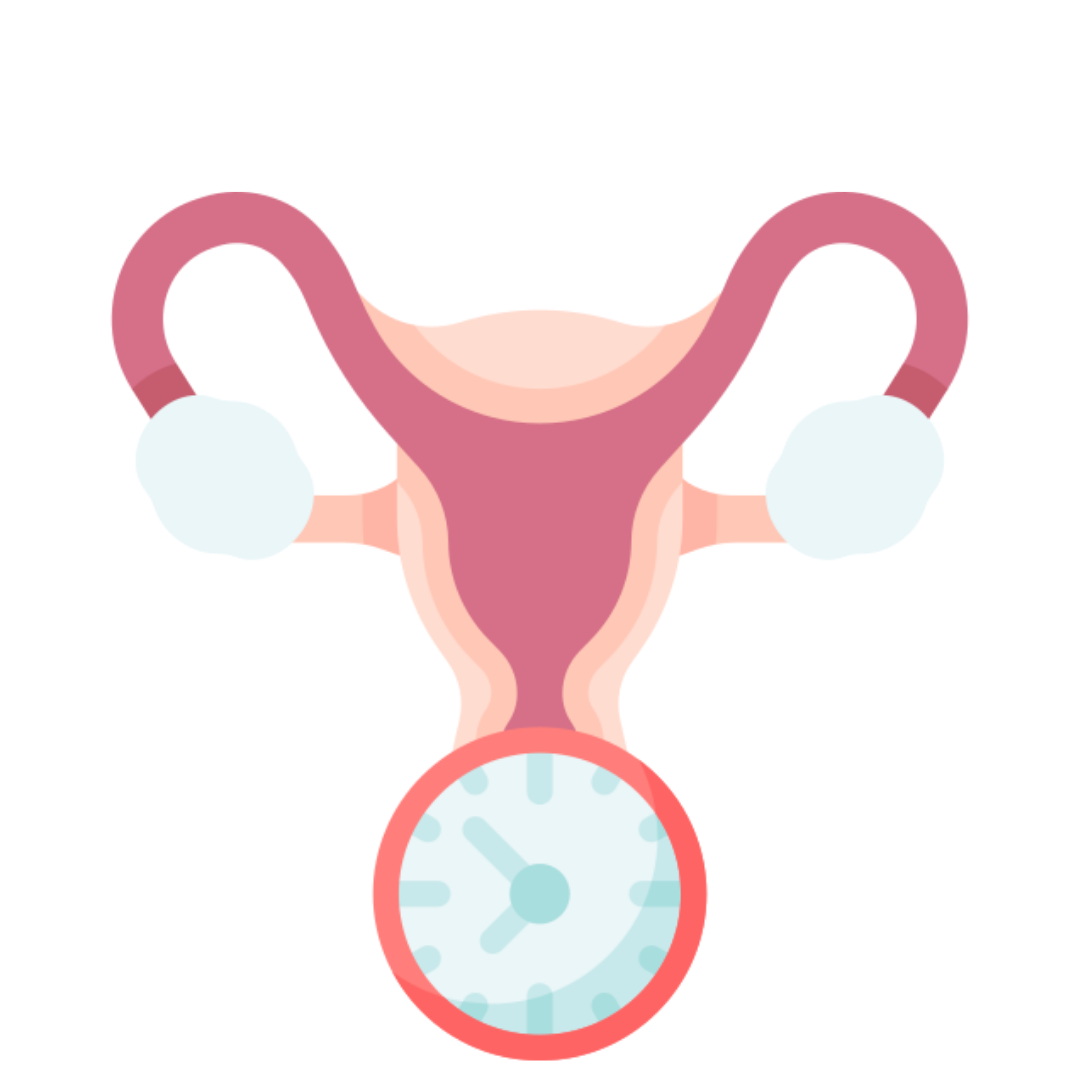
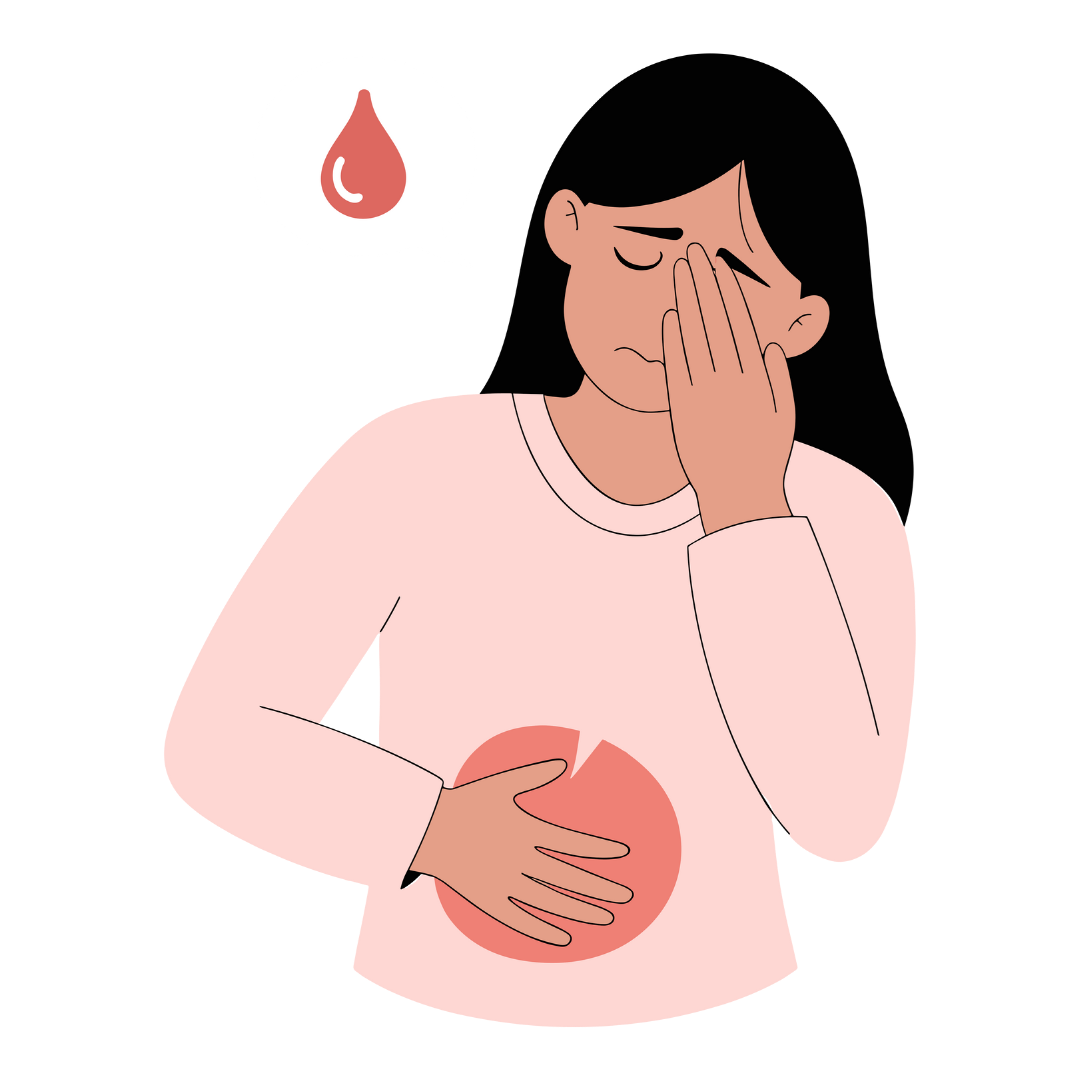
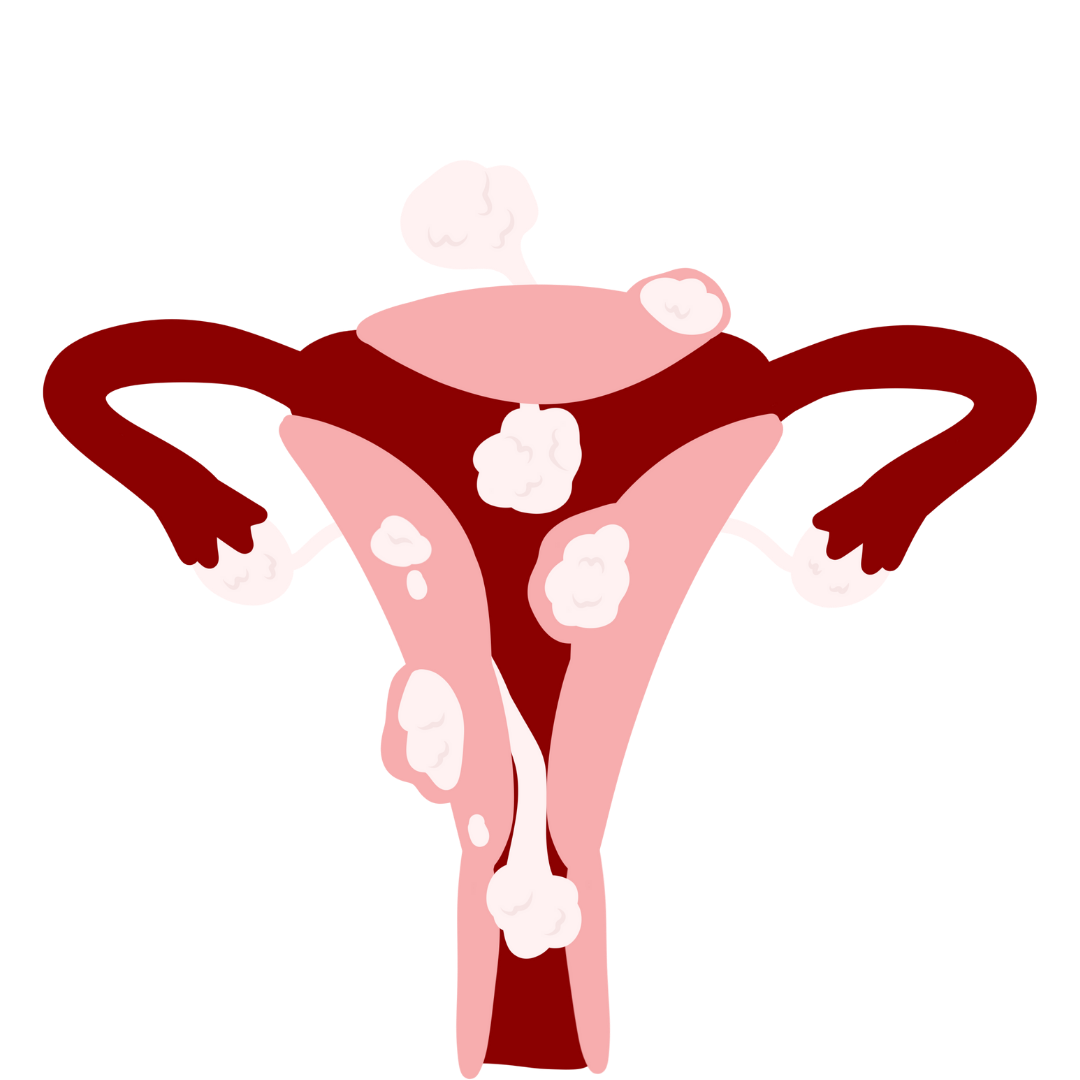
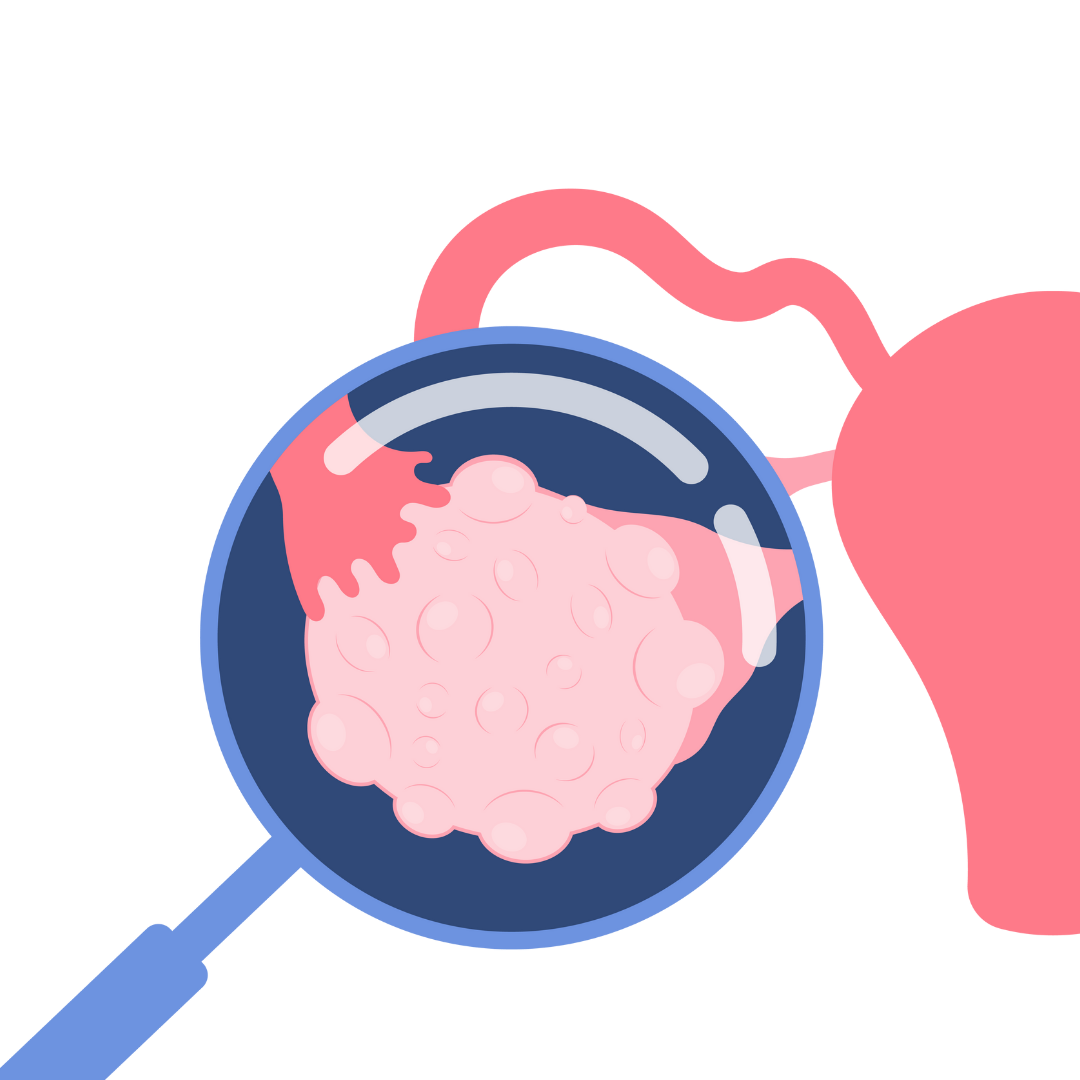
A fundamental aspect of care for young women is reproductive and gynecologic health. This includes education about puberty, breast development, menstrual cycles, and other normal physical changes, helping young women understand what to expect as their bodies mature. Healthcare providers also assess and manage common concerns such as irregular or absent periods, painful menstruation (dysmenorrhea), heavy bleeding, premenstrual symptoms, acne, and hormonal imbalances such as polycystic ovary syndrome (PCOS). Early evaluation and treatment of these conditions can improve quality of life and prevent future complications. Establishing a positive, respectful relationship with a healthcare provider during this stage helps normalize gynecologic care and supports long-term reproductive health.
Sexual and reproductive health education is another critical component of care. Providers offer accurate, age-appropriate information about sexual development, healthy relationships, consent, sexual orientation, and gender identity. Counseling on contraception options, pregnancy prevention, and sexually transmitted infection (STI) prevention enables young women to make informed and responsible choices. Confidentiality is especially important, as it encourages young women to seek care, ask questions, and discuss sensitive topics without fear or stigma. Preventive services, including STI screening and vaccinations such as the human papillomavirus (HPV) vaccine, play a vital role in reducing future risks like infertility and cervical cancer.
Preventive and general healthcare form the foundation of overall well-being for young women. Routine health visits allow providers to monitor growth patterns, weight, blood pressure, and nutritional status while identifying potential health issues early. Guidance on balanced nutrition, regular physical activity, adequate sleep, and stress management supports both physical and mental health. Education about personal hygiene, skin care, and dental health also contributes to confidence and self-care. In addition, healthcare professionals counsel young women on avoiding high-risk behaviors such as smoking, vaping, alcohol misuse, unsafe sexual practices, and drug use, emphasizing both short-term and long-term health consequences.
Mental and emotional health support is a crucial and inseparable part of caring for young women. Adolescence and early adulthood often involve academic pressures, social challenges, body image concerns, and emotional changes that can affect self-esteem and mental well-being. Anxiety, depression, eating disorders, and stress-related conditions may emerge during this period. A safe, nonjudgmental healthcare environment allows young women to discuss emotional struggles openly. Routine screening for mental health concerns, along with timely counseling, support services, or referrals to mental health specialists, helps build emotional resilience, coping skills, and a positive self-image.
In addition to individual health needs, social and environmental factors play an important role in the care of young women. Providers may address issues such as peer relationships, family dynamics, academic or work-related stress, and exposure to violence or abuse. Educating young women about self-advocacy, healthy boundaries, and accessing community resources further supports their independence and safety. Encouraging open communication and involving families when appropriate—while still respecting autonomy and confidentiality—can strengthen support systems.
Overall, care for young women is holistic, preventive, and patient-centered, recognizing that physical, emotional, and social health are deeply interconnected. By integrating medical care, education, preventive services, and emotional support, healthcare providers help young women navigate this transformative stage of life. This comprehensive approach fosters healthy development, builds confidence and self-awareness, and establishes a strong foundation for lifelong health, well-being, and empowerment.