

Minimally Invasive: Robotic surgery
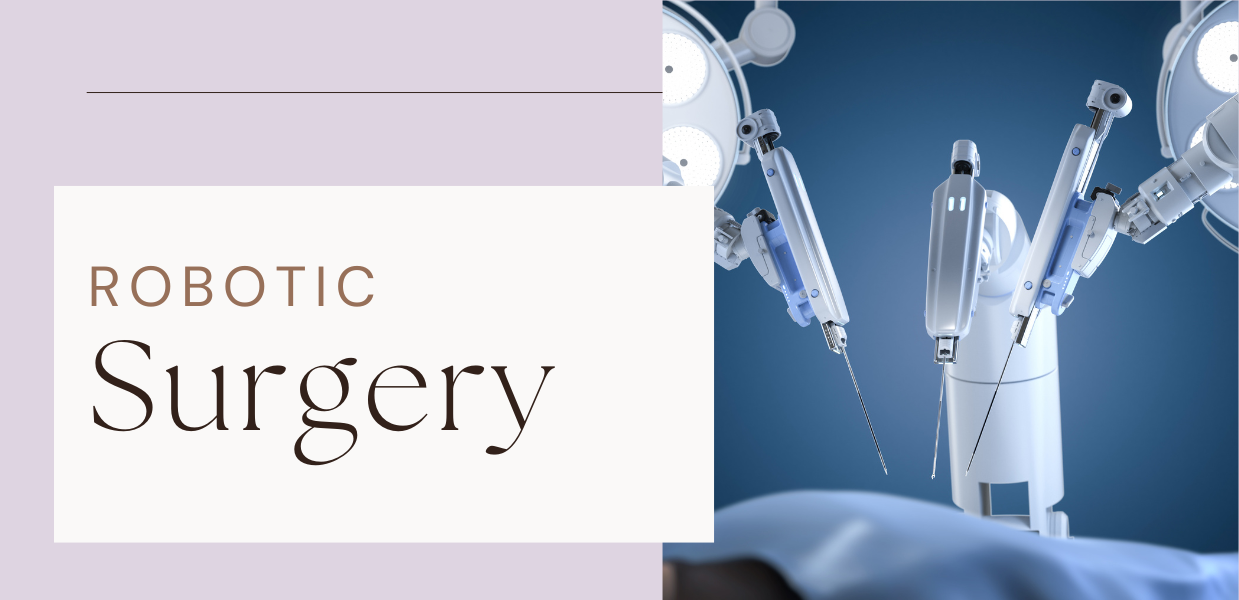
Robotic-assisted gynecological surgery has revolutionized the way surgeons approach complex procedures, offering a level of precision, flexibility, and control that was previously difficult to achieve with traditional surgical techniques. Unlike conventional open surgery, which requires large incisions, robotic surgery is minimally invasive, allowing surgeons to operate through small keyhole-sized openings. This not only improves the cosmetic outcome for patients but also significantly reduces trauma to surrounding tissues.
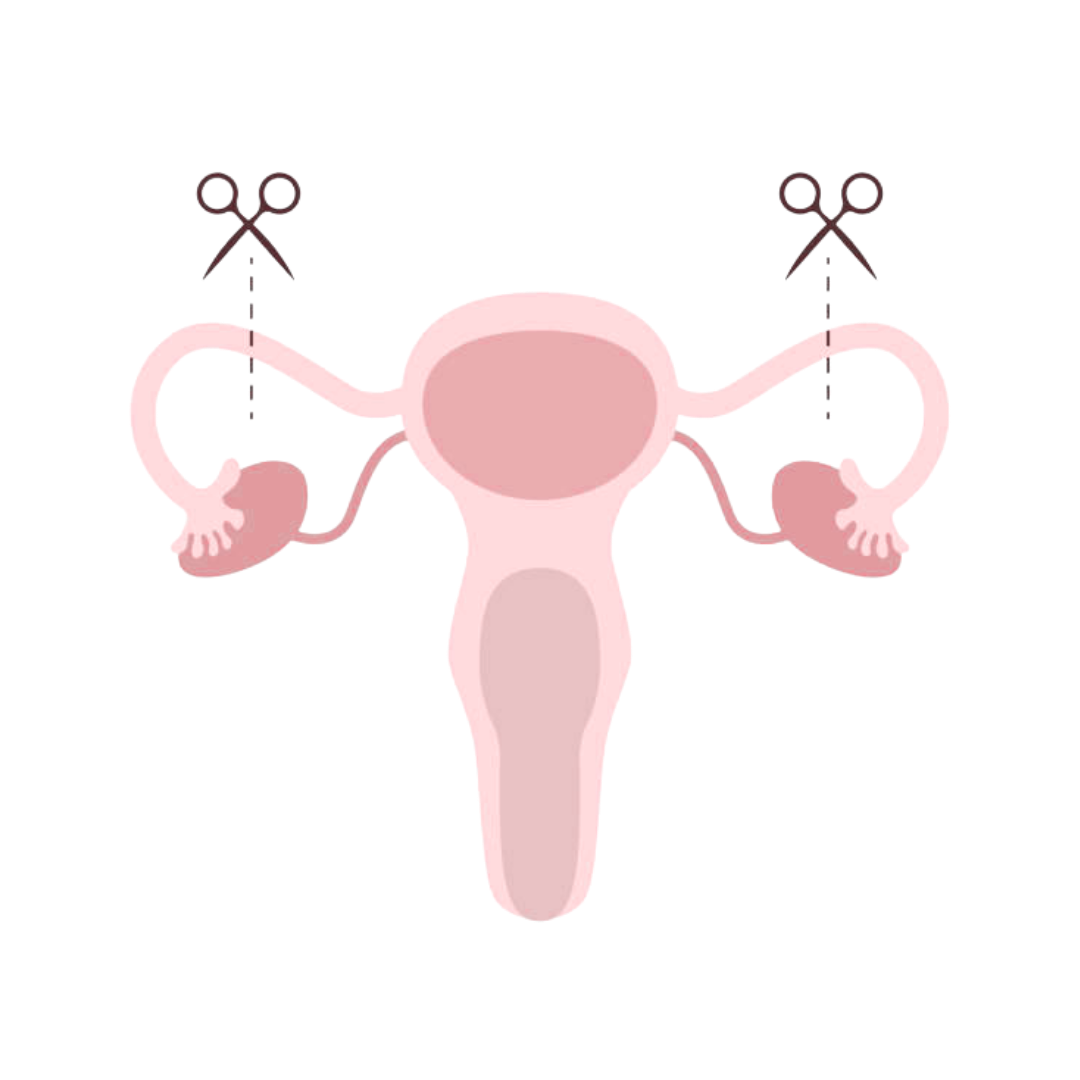
One of the primary advantages of robotic-assisted surgery is its enhanced precision. The robotic system translates the surgeon’s hand movements into smaller, more refined movements of specialized instruments. These instruments can rotate and bend in ways that human wrists cannot, making it possible to perform delicate procedures with exceptional accuracy. This capability is particularly important in gynecological surgeries, such as hysterectomies, myomectomies, and endometriosis excisions, where precision is critical to preserving healthy tissues and organs.
Robotic surgery also provides the surgeon with a three-dimensional, high-definition view of the surgical site, offering unparalleled visualization compared to traditional laparoscopy. This improved view allows surgeons to better identify and navigate critical anatomical structures, reduce the risk of injury, and improve overall surgical outcomes. In addition, robotic systems filter out hand tremors and allow for steadier, more controlled movements, further enhancing safety and precision.
From the patient’s perspective, robotic-assisted gynecological surgery offers numerous benefits. Smaller incisions result in less blood loss during the procedure, lower postoperative pain, and a reduced risk of infection. Recovery times are often shorter, allowing patients to return to their daily activities more quickly compared to open surgery. The minimally invasive nature of robotic surgery also typically results in fewer complications and lower rates of long-term scarring, which contributes to improved overall patient satisfaction.
Robotic surgery is especially advantageous in complex cases, such as surgeries involving large fibroids, severe endometriosis, or pelvic adhesions. In these scenarios, the enhanced dexterity, precision, and visualization provided by the robotic system can be the difference between a successful minimally invasive surgery and the need for a more invasive open procedure. Furthermore, robotic-assisted techniques can expand the possibilities for surgeons, enabling them to perform intricate procedures that might be technically challenging or impossible with conventional laparoscopy.
In summary, robotic-assisted gynecological surgery represents a significant advancement in surgical care. By combining the benefits of minimally invasive surgery with state-of-the-art robotic technology, it provides superior precision, control, and visualization, while reducing patient discomfort, shortening recovery time, and maintaining high surgical accuracy. As technology continues to evolve, robotic surgery is expected to play an increasingly important role in improving outcomes for women undergoing complex gynecological procedures.