

Diagnostic & In-Clinic
Advanced Diagnostics in the Comfort of Our Clinic
Our practice is equipped with state-of-the-art technology to perform accurate, same-day diagnostic evaluations and minor procedures in our comfortable, convenient clinic setting. We prioritize patient comfort, safety, and clear communication throughout every step of your diagnostic journey.
Our In-Clinic Diagnostic & Procedure Suite
Advanced Endoscopic Examinations
- Diagnostic Nasal Endoscopy: A minimally invasive procedure using a slender, flexible scope to visualize your nasal passages, sinuses, and postnasal space with high-definition clarity.
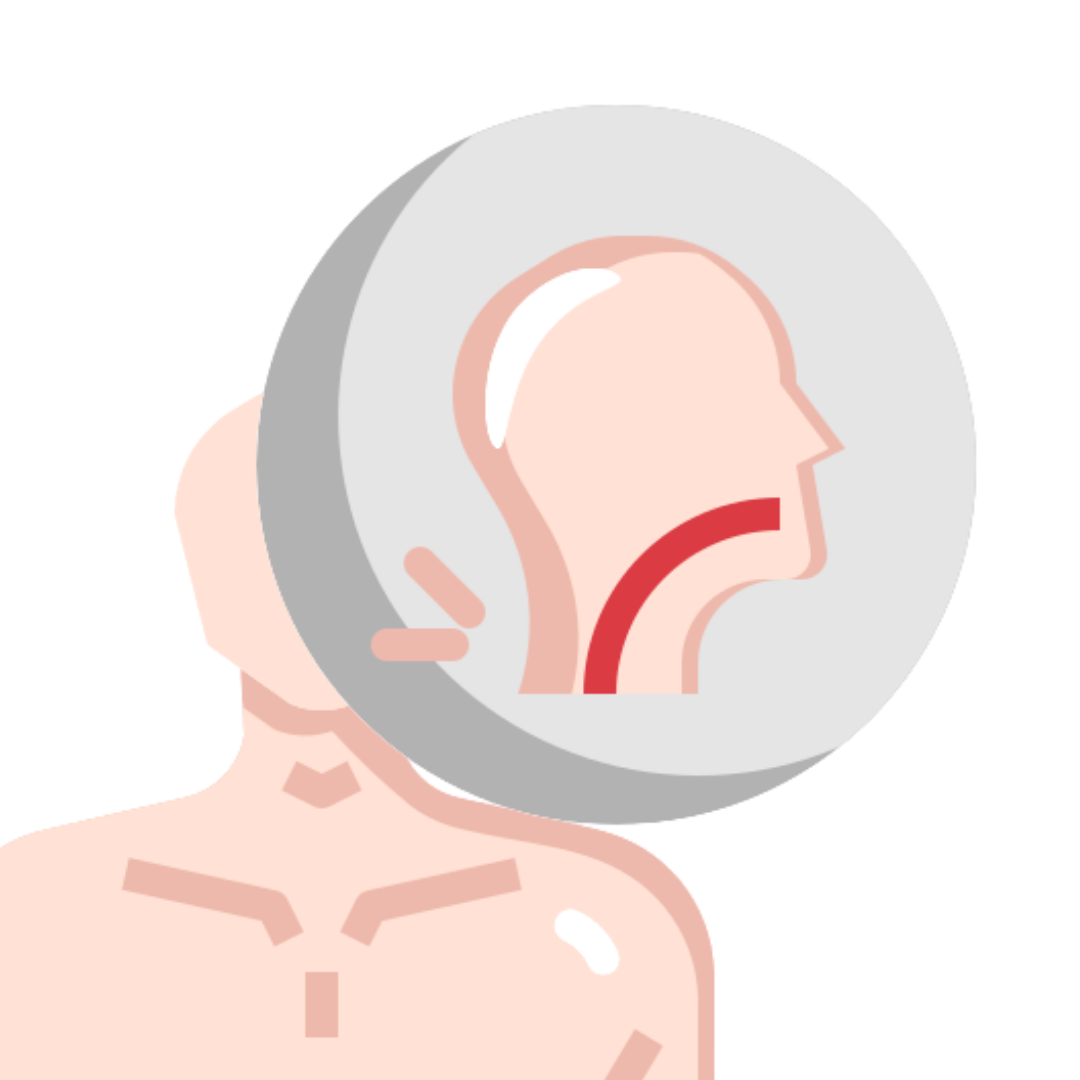
- Flexible Laryngoscopy: A gentle examination of the throat, voice box (larynx), and upper airway using a thin, flexible endoscope passed comfortably through the nose.
Minor ENT Procedures
Our clinic is fully equipped to perform a variety of minor procedures, often during your initial consultation, avoiding the need for additional appointments or hospital visits.
- Nasal Cauterization: For recurrent nosebleeds (epistaxis).
- Ear Microsuction: Safe and effective wax removal under direct vision.
- Nasal & Throat Cultures: For targeted infection diagnosis.
- Foreign Body Removal: From ears or nose.
- In-Office Biopsies: Of accessible lesions in the nose, mouth, or throat.
- Intralesional Injections: For certain inflammatory conditions.
- Earlobe Repair: For torn earlobes.
Why Choose In-Clinic Diagnostics & Procedures?
Immediate Answers & Efficiency
- Rapid diagnosis during your consultation
- Often eliminates the need for separate radiology visits
- Quick results guide immediate treatment planning
- Streamlined care in one familiar location
Patient Comfort & Convenience
- Performed in our comfortable, private procedure rooms
- Avoids hospital scheduling delays and environments
- Typically no need for fasting or sedation
- You can usually drive yourself home immediately after
Safety & Precision
- Performed by your specialist with direct expertise
- Use of topical anesthetics for maximum comfort
- Real-time visualization allows for precise assessment
- Sterile, single-use equipment when appropriate
What to Expect: Your Procedure Experience
Before Your Procedure
- Our team will explain the procedure in detail, including benefits and any minimal risks.
- You can ask unlimited questions—we ensure you are fully informed and comfortable.
- For most procedures, no special preparation is needed. You can eat normally and take your regular medications.
During Your Procedure
- Comfort First: We often use a topical anesthetic spray or gel to numb the area, minimizing sensation.
- Gentle Technique: Your doctor will guide the slender endoscope or instrument with expert care.
- Real-Time Viewing: You may watch the procedure on a monitor alongside your doctor, turning the exam into an educational experience about your own health.
- Quick & Efficient: Most diagnostic scopes take only 2-5 minutes. Minor procedures may take 10-20 minutes.
After Your Procedure
- You can resume normal activities almost immediately.
- Your doctor will discuss findings with you right away and outline the next steps.
- Any samples taken (like biopsies) are sent for analysis, and we will contact you promptly with results.
Detailed Look at Key Procedures
Diagnostic Nasal Endoscopy
Purpose: To diagnose the cause of nasal blockage, sinus pressure, postnasal drip, recurrent infections, or loss of smell.
What We See: Nasal septum, turbinates, sinus drainage pathways, adenoids, and the back of the nasal cavity.
Benefit: Provides a far more detailed view than a standard nasal speculum exam, allowing for accurate diagnosis of sinusitis, polyps, structural issues, and other conditions.
Flexible Laryngoscopy
Purpose: To evaluate hoarseness, voice changes, chronic cough, throat pain, swallowing difficulties, or sensation of a lump in the throat.
What We See: The back of the throat, vocal cords, their movement, and the upper part of the windpipe.
Benefit: Essential for diagnosing vocal cord lesions, paralysis, inflammation from reflux, and other causes of voice and swallowing disorders.
Minor Procedure: Nasal Cauterization for Nosebleeds
The Process: After applying anesthetic, a precise chemical or electrical cautery is used to seal the tiny bleeding vessel in the nose.
Recovery: A protective ointment is applied. Mild stuffiness or crusting may occur for a few days. Success rate for stopping recurrent bleeds is very high.
Safety & Your Comfort Are Our Priority
Minimizing Discomfort
- We use effective topical anesthetics.
- Our staff is specially trained in patient reassurance and comfort.
- The procedures are designed to be as brief and gentle as possible.
Clear Communication
- We explain each step as we go.
- You are in control and can signal if you need a pause.
- We welcome a support person to be with you if desired.
Post-Procedure Care
- You will receive clear, written after-care instructions.
- We provide direct contact information for any follow-up questions.
- A member of our clinical team will follow up on biopsy results.
Preparing for Your Diagnostic Visit
To ensure the best possible experience:
- Continue taking your regular medications unless specifically advised otherwise.
- Bring a list of your medications and any known allergies.
- Wear comfortable clothing.
- Arrive with any questions you have written down.
- Plan to be at our clinic for approximately 60-90 minutes for a consultation that includes a procedure.