

Major Surgery: Hysterectomy
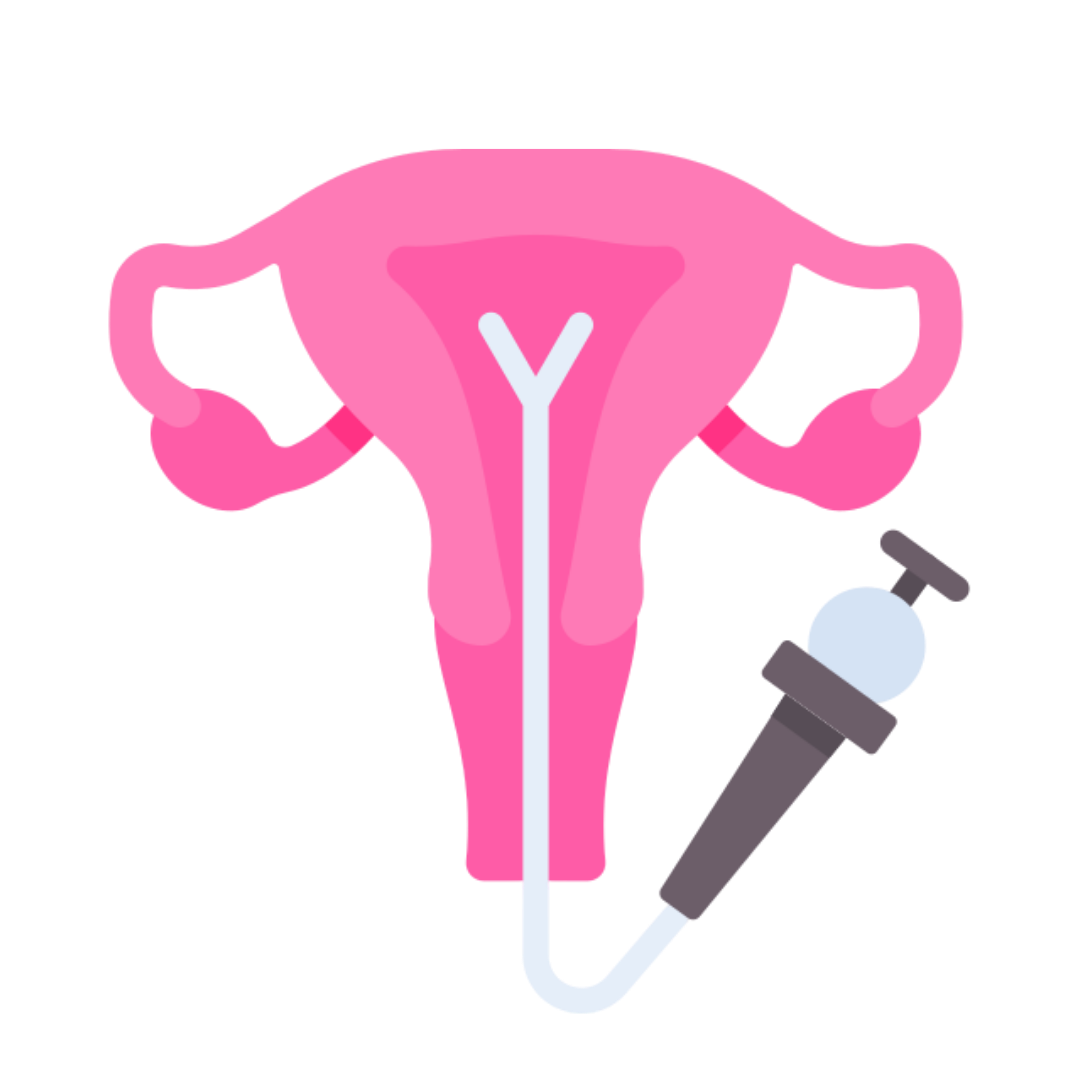
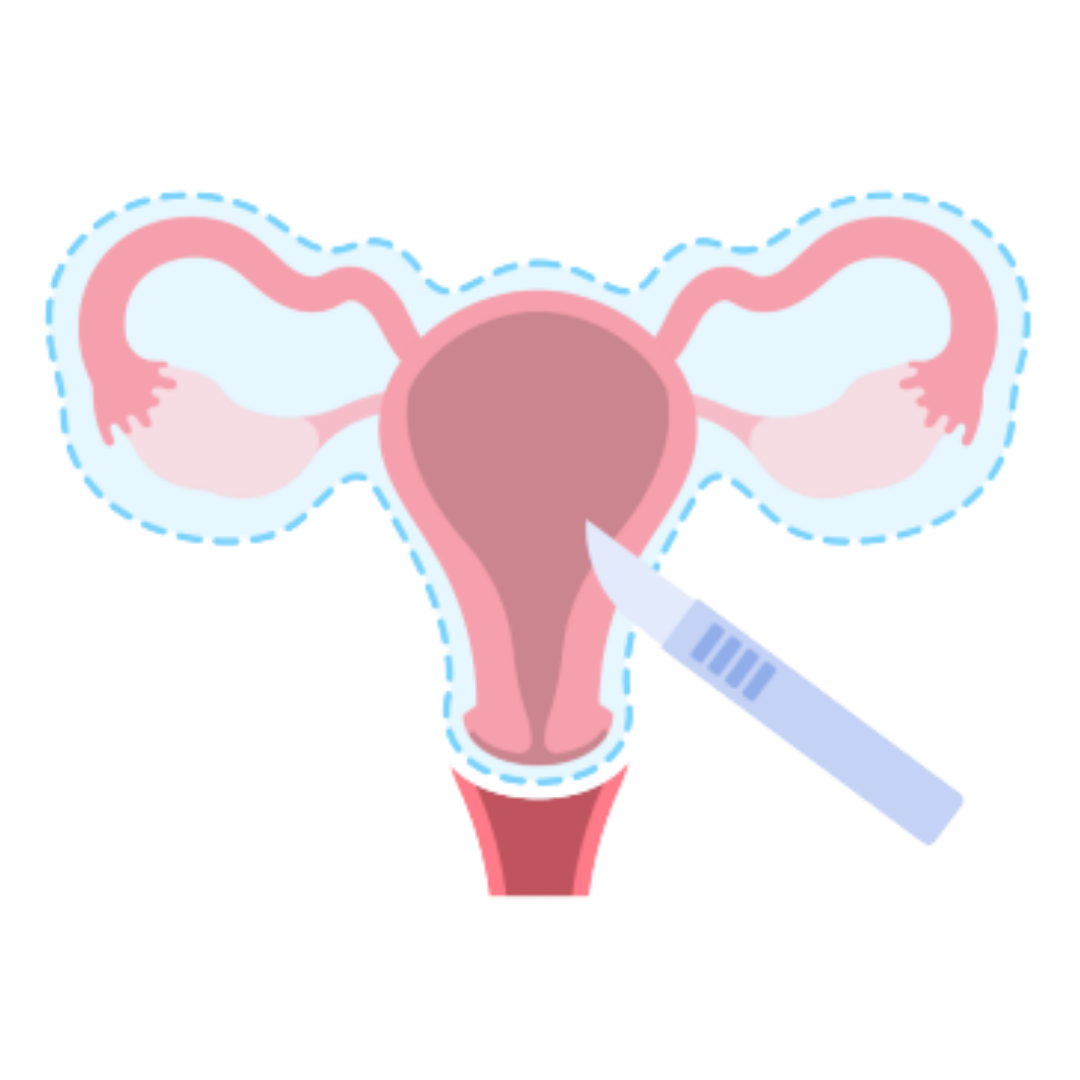
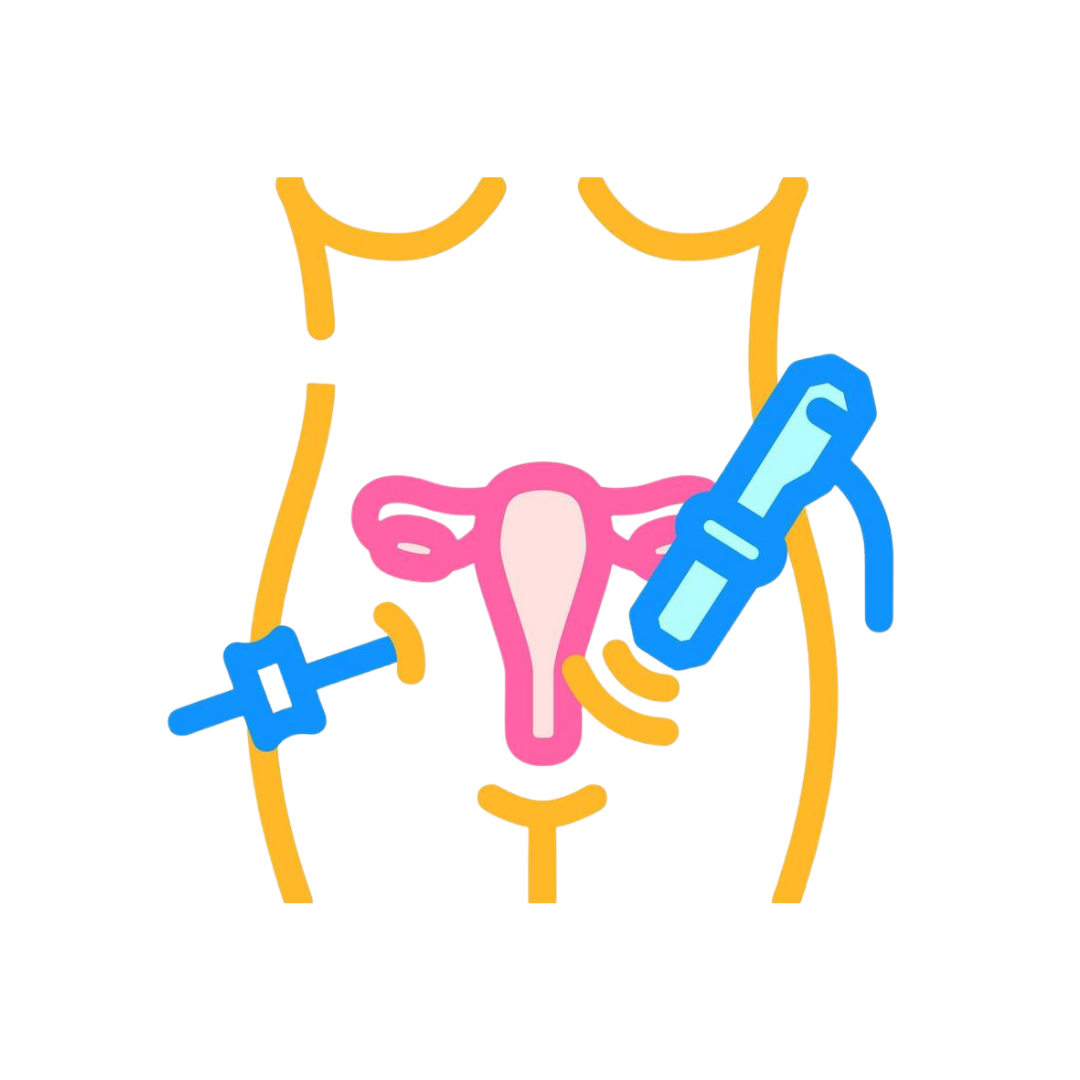
A hysterectomy is a surgical procedure that involves the complete removal of the uterus. It is considered a major gynecological surgery and is typically recommended when other treatment options have failed, or when a patient has conditions that significantly affect health, quality of life, or carry a risk of cancer. The primary goal of a hysterectomy is to alleviate symptoms, treat disease, and prevent complications.
There are several medical conditions that may lead a physician to recommend a hysterectomy. Uterine fibroids, which are noncancerous growths in the uterine wall, can cause severe pain, heavy menstrual bleeding, and pressure on other organs. Abnormal uterine bleeding, which may not respond to medication or hormonal therapy, is another common reason. Women suffering from endometriosis, a condition in which tissue similar to the uterine lining grows outside the uterus, may also require a hysterectomy if other treatments fail to manage pain and inflammation. Additionally, uterine prolapse, where the uterus slips down into the vaginal canal due to weakened pelvic muscles, can necessitate surgical intervention. In cases of uterine, cervical, or ovarian cancer, a hysterectomy may be performed as part of definitive cancer treatment to remove the source of malignancy and reduce the risk of spread.
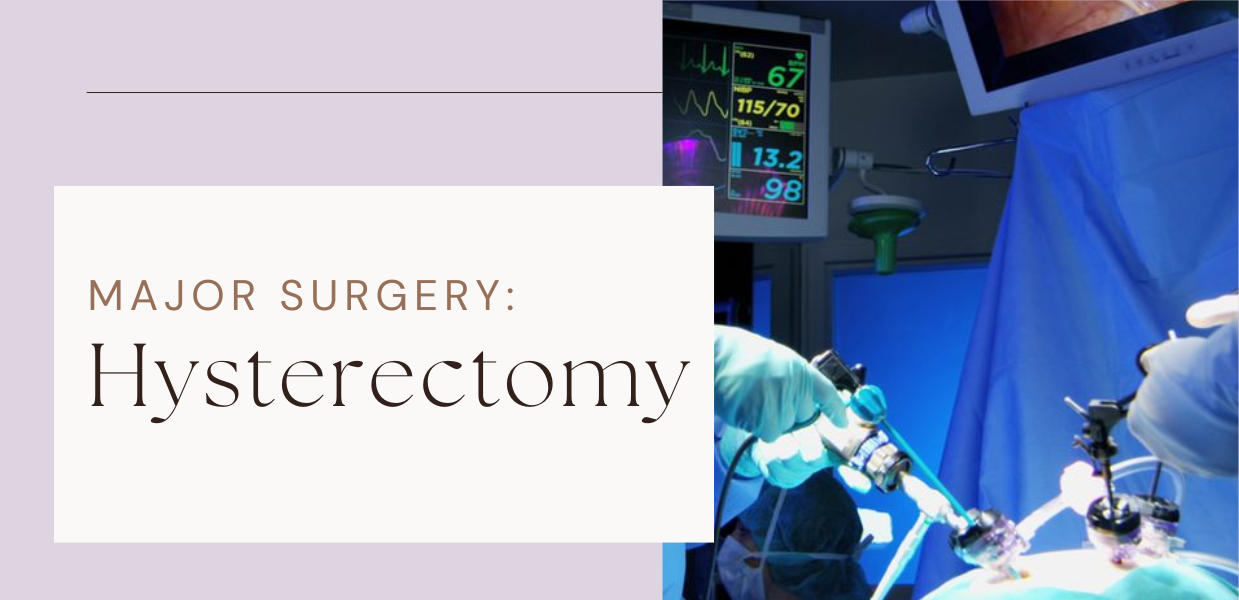
The procedure can be performed using different surgical techniques, chosen based on the patient’s condition, anatomy, and overall health. An abdominal hysterectomy involves a larger incision in the lower abdomen and is often used for larger uteri or when cancer is suspected. A vaginal hysterectomy, where the uterus is removed through the vaginal canal, is generally associated with faster recovery and fewer complications but may not be suitable in all cases. Laparoscopic or robotic-assisted hysterectomy is a minimally invasive approach, using small incisions and specialized instruments, allowing for precise removal of the uterus, less postoperative pain, shorter hospital stays, and faster recovery. Surgeons may also use a combination of these techniques depending on complexity.
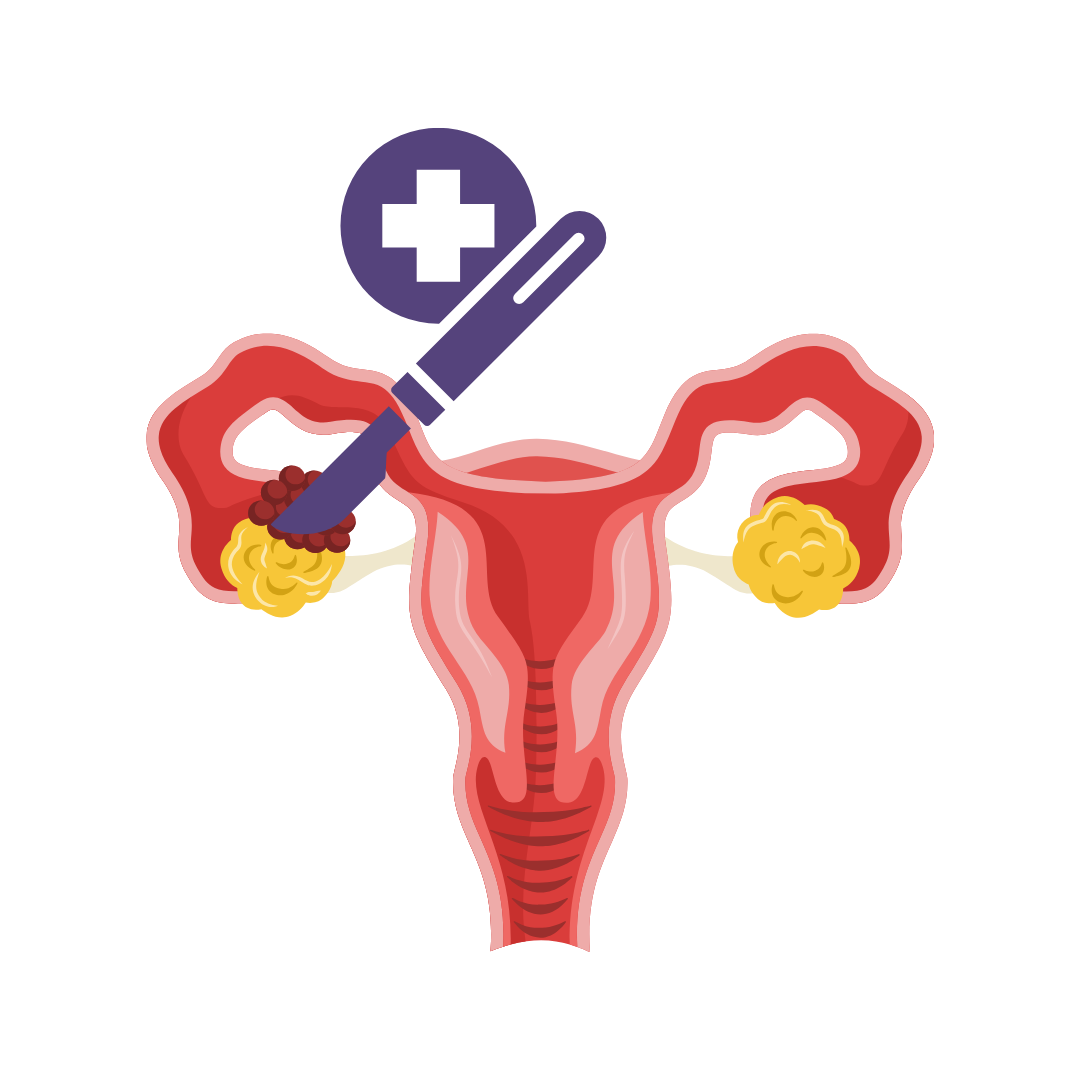
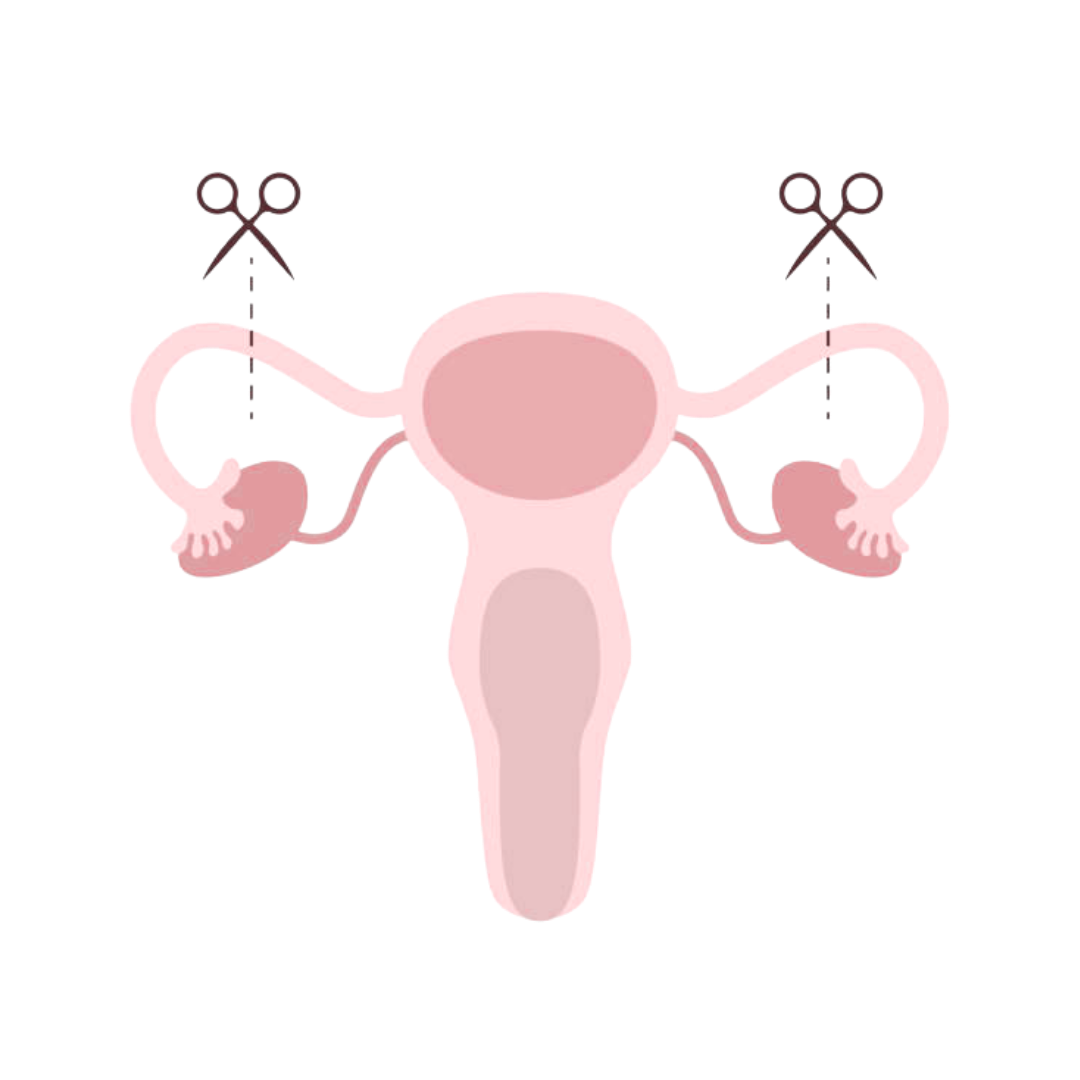
Hysterectomy can be total, where the entire uterus including the cervix is removed, or subtotal (partial), where only the upper part of the uterus is removed while preserving the cervix. In some cases, the fallopian tubes and ovaries may also be removed during the procedure, which is called a salpingo-oophorectomy, often performed to reduce the risk of ovarian cancer or when there are other gynecologic conditions.
Like any major surgery, hysterectomy carries risks, including infection, bleeding, injury to surrounding organs, or complications from anesthesia. Long-term effects can include hormonal changes if the ovaries are removed, early menopause, and potential impacts on sexual function or pelvic support. However, for many patients, the benefits—such as relief from chronic pain, heavy bleeding, or life-threatening conditions—far outweigh the risks.
Recovery time varies depending on the type of surgery, the patient’s overall health, and the presence of complications. Minimally invasive procedures often allow patients to return to daily activities within a few weeks, while open abdominal procedures may require several weeks of rest and gradual return to normal activity. Preoperative counseling, careful surgical planning, and postoperative care are essential to ensure optimal outcomes and patient satisfaction.
Overall, a hysterectomy is a definitive treatment for several gynecological conditions. With advances in surgical techniques, including laparoscopic and robotic approaches, the procedure has become safer, less invasive, and more tailored to individual patient needs. Patients are encouraged to discuss all available options, including risks, benefits, and potential alternatives, to make an informed decision that aligns with their health goals and lifestyle.