

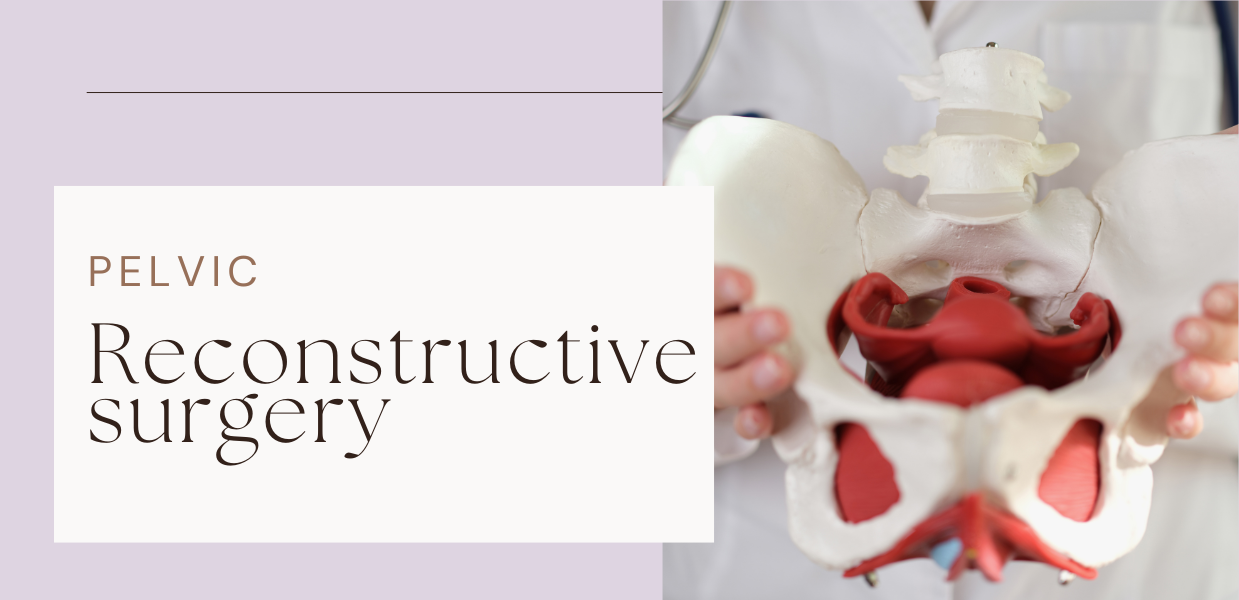
Major Surgery: Pelvic Reconstructive Surgery
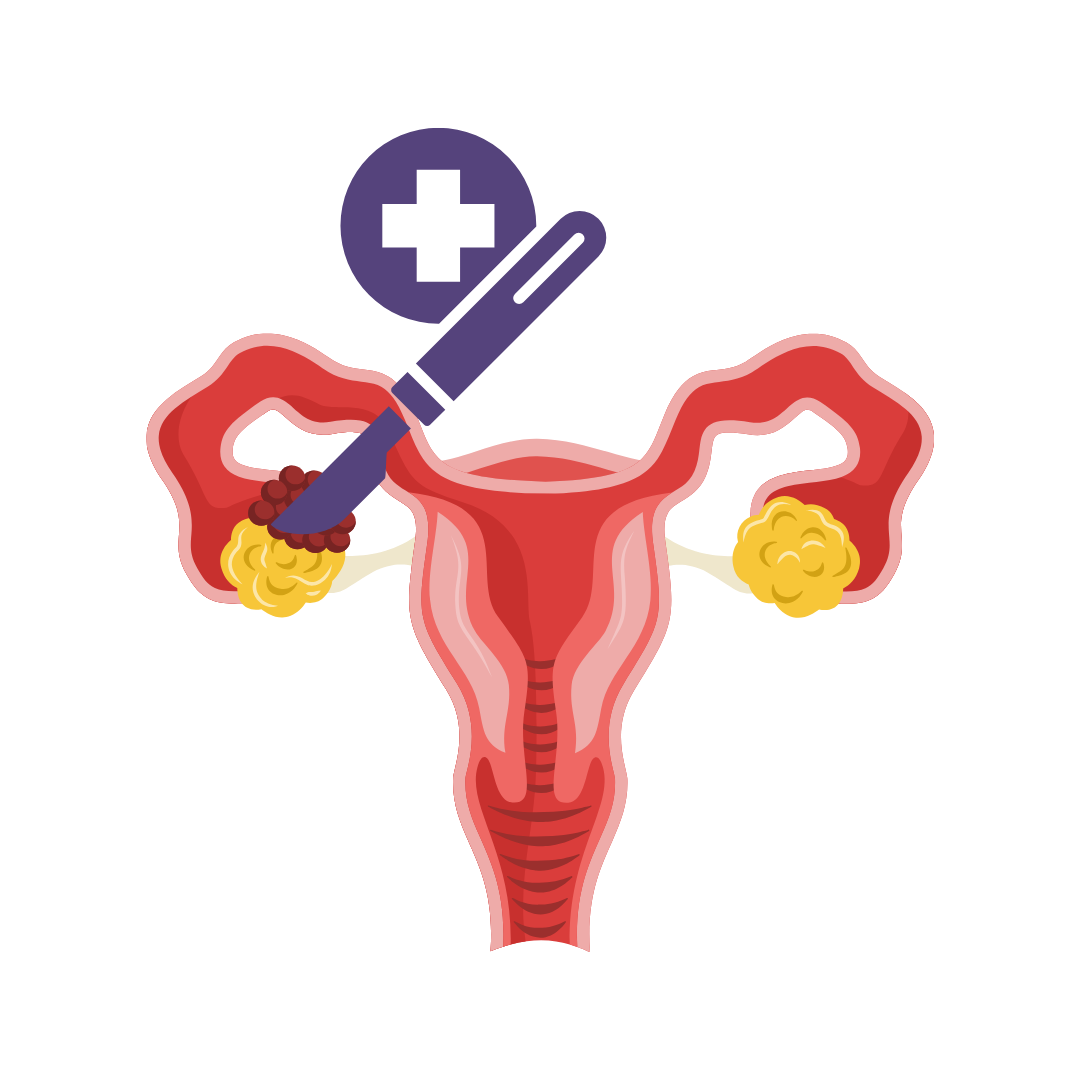
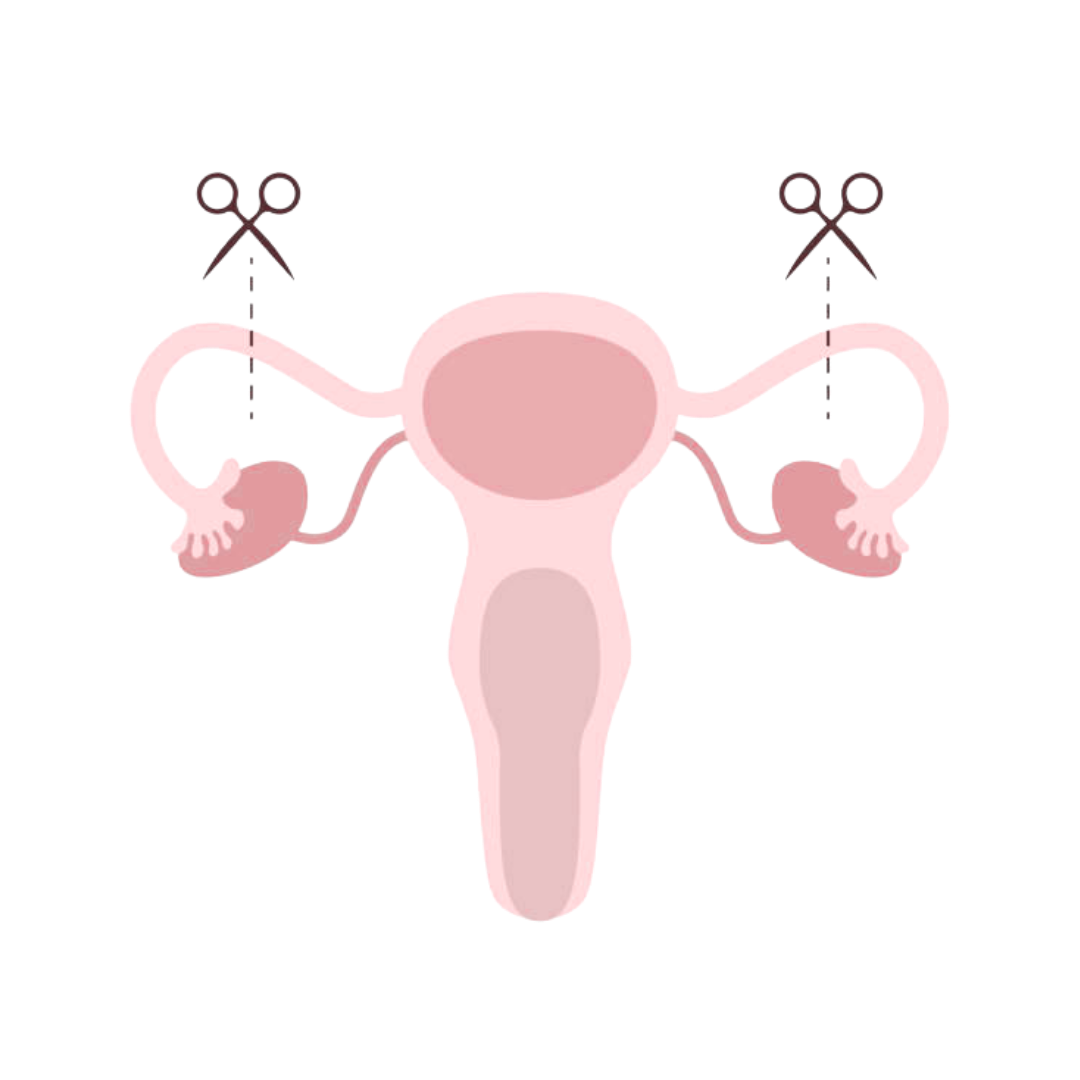
Pelvic reconstructive surgery is a specialized field of surgery focused on repairing and restoring the normal structure and function of the pelvic organs. It is most commonly performed to correct pelvic organ prolapse, a condition in which one or more pelvic organs—such as the bladder, uterus, rectum, or small intestine—descend from their normal anatomical position and bulge into the vaginal canal. This condition can occur due to weakened pelvic floor muscles, connective tissue damage, childbirth, aging, or other factors that compromise pelvic support.
The primary goal of pelvic reconstructive surgery is to restore proper anatomical alignment of the pelvic organs while improving overall pelvic function. Patients suffering from pelvic organ prolapse often experience a range of distressing symptoms, including urinary incontinence, pelvic pressure, discomfort during physical activity, difficulty with bowel movements, sexual dysfunction, and a noticeable bulge or protrusion in the vaginal area. These symptoms can significantly affect daily life, self-esteem, and social interactions, making surgical correction an important intervention for improving quality of life.
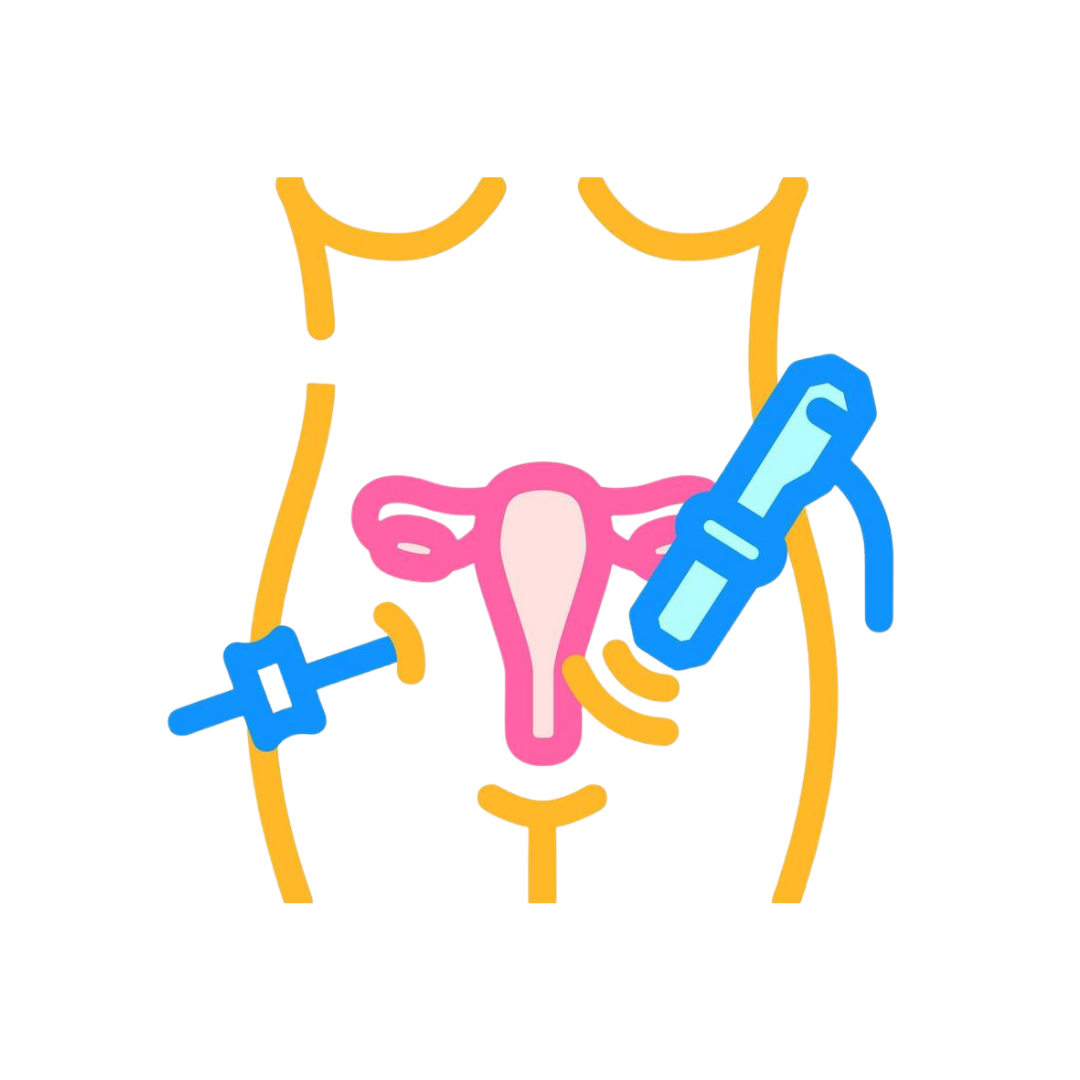
Surgical techniques in pelvic reconstruction are highly individualized. Surgeons consider multiple factors when designing a treatment plan, including the type and severity of prolapse, the patient’s age, reproductive desires, activity level, medical history, and lifestyle needs. Options can range from minimally invasive procedures, such as laparoscopic or robotic-assisted surgery, to more traditional open surgical approaches. The procedures may involve repairing and reinforcing weakened tissues, repositioning organs, and sometimes using mesh or autologous tissue grafts to provide additional support.
Recovery from pelvic reconstructive surgery varies depending on the complexity of the procedure but generally involves a period of restricted physical activity, pelvic floor exercises, and close follow-up to monitor healing and prevent complications. When successful, these surgeries can provide dramatic improvements in symptoms, restore urinary and bowel function, alleviate pelvic pressure, and allow patients to resume normal daily activities without discomfort.
Beyond physical restoration, pelvic reconstructive surgery also has important psychological and emotional benefits. Women and men affected by pelvic organ prolapse often experience embarrassment, anxiety, or decreased quality of life due to the condition. By correcting the prolapse and relieving associated symptoms, surgical intervention can enhance self-confidence, body image, and overall well-being. Modern advances in surgical techniques continue to improve outcomes, minimize complications, and tailor interventions to the unique needs of each patient, making pelvic reconstructive surgery a highly effective solution for those struggling with pelvic floor disorders.