

Major Surgery: Ovarian Surgery
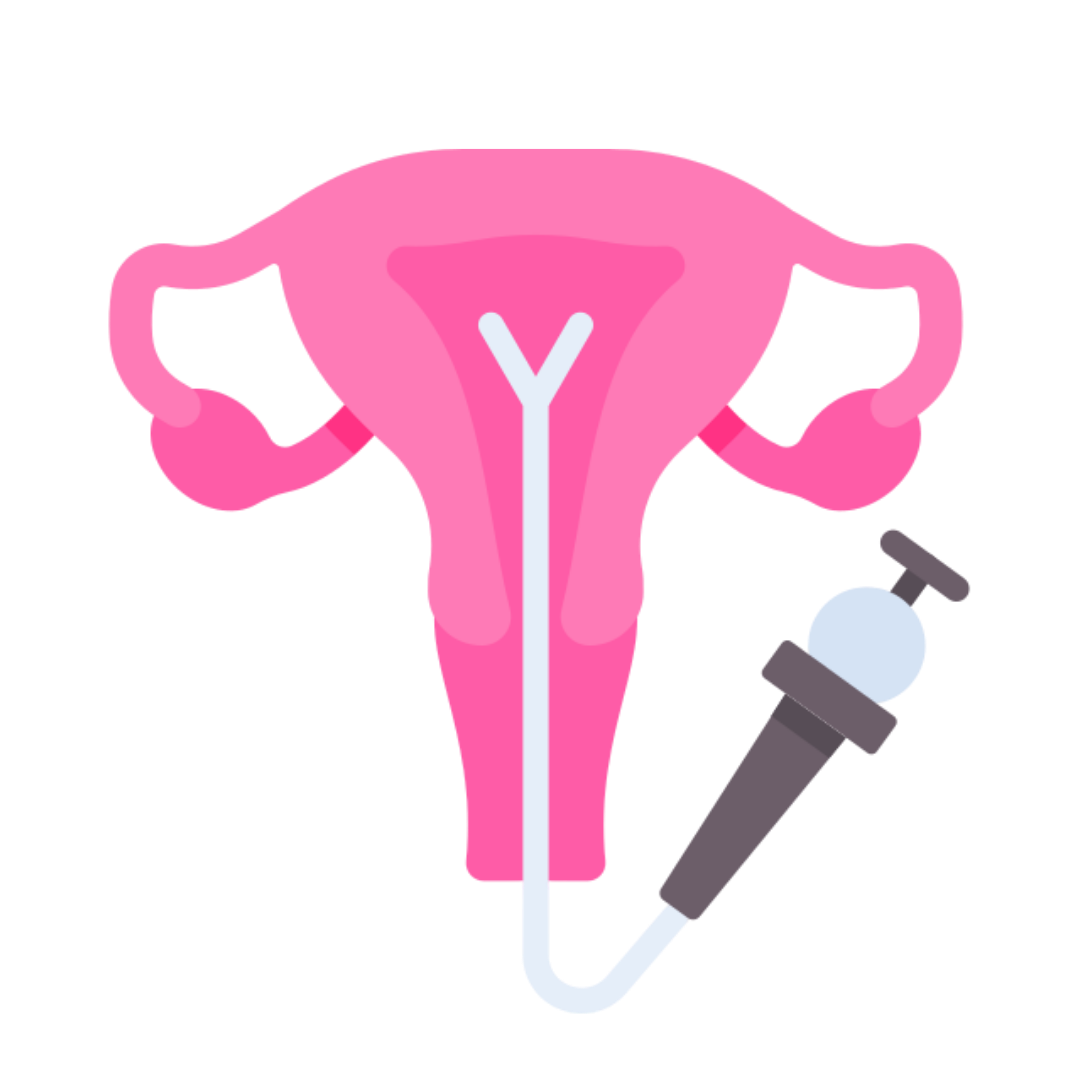
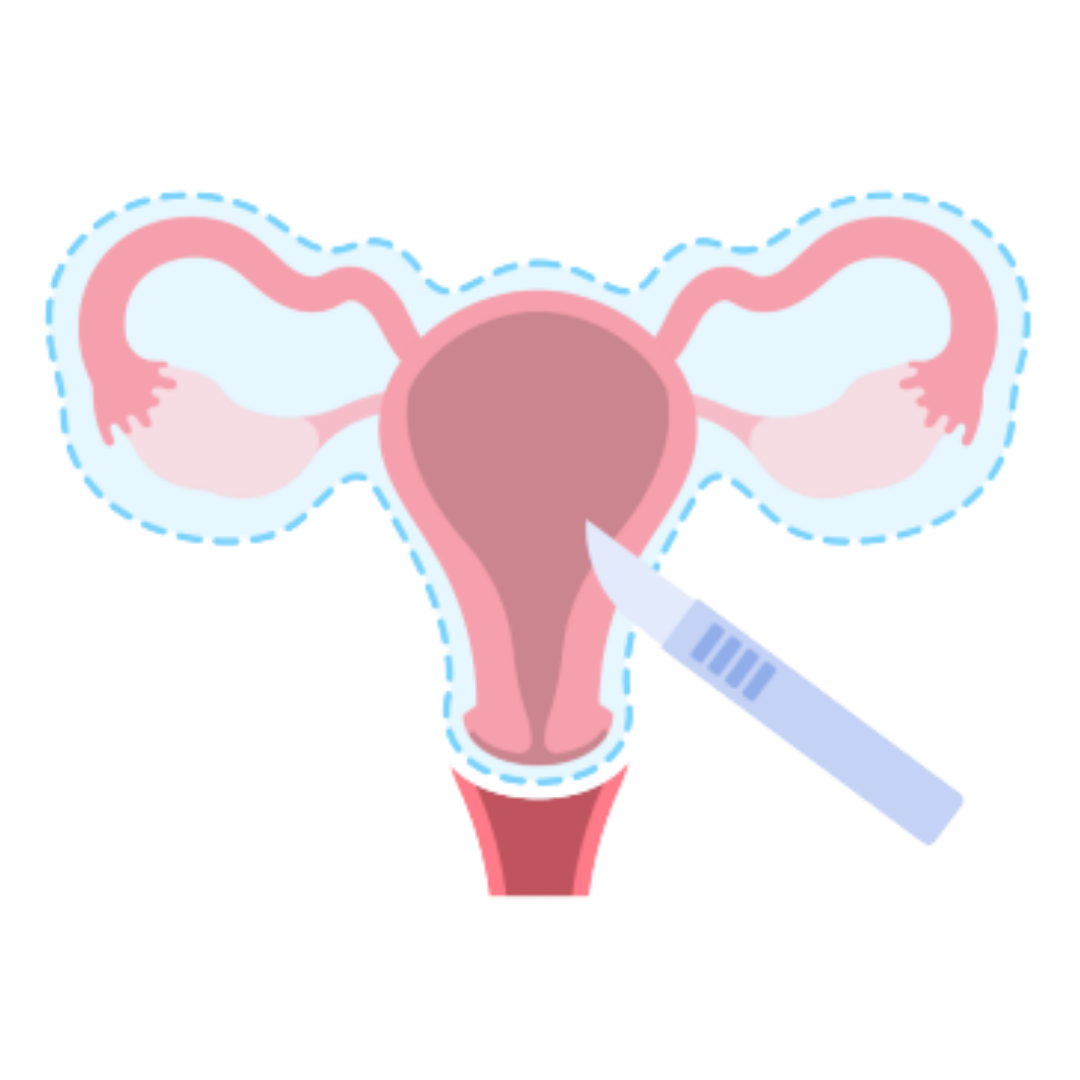
Ovarian surgery is a medical procedure performed to address various conditions affecting the ovaries, including ovarian cysts, benign or malignant tumors, endometriosis, torsion, or other structural and functional ovarian disorders. These surgeries are an essential aspect of gynecological care and are tailored according to the patient’s age, symptoms, reproductive goals, and the nature of the ovarian condition.
Indications for Ovarian Surgery
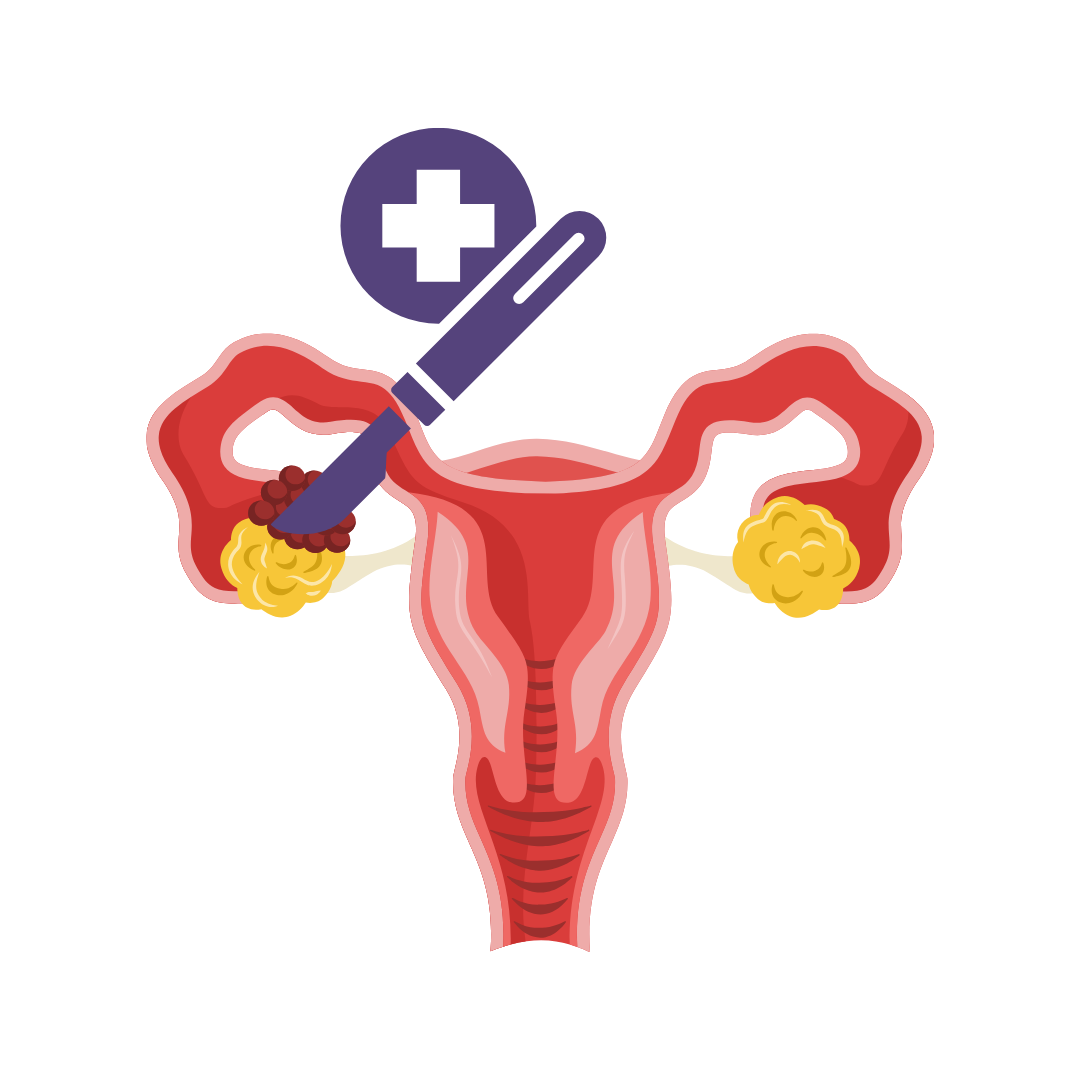
One of the most common reasons for ovarian surgery is the presence of ovarian cysts, which are fluid-filled sacs that can develop on the ovaries. While many cysts are benign and resolve on their own, some may cause pain, hormonal imbalances, or complications such as rupture or torsion, necessitating surgical intervention. Ovarian tumors, which can be benign or malignant, also require careful evaluation. Surgery may be necessary both for definitive diagnosis and for treatment to remove the tumor while minimizing damage to healthy ovarian tissue. Endometriosis, a condition where tissue similar to the uterine lining grows outside the uterus, can affect the ovaries and lead to cyst formation (endometriomas). Surgical removal of these cysts may be indicated to relieve pain, restore ovarian function, and improve fertility outcomes.
Surgical Approaches
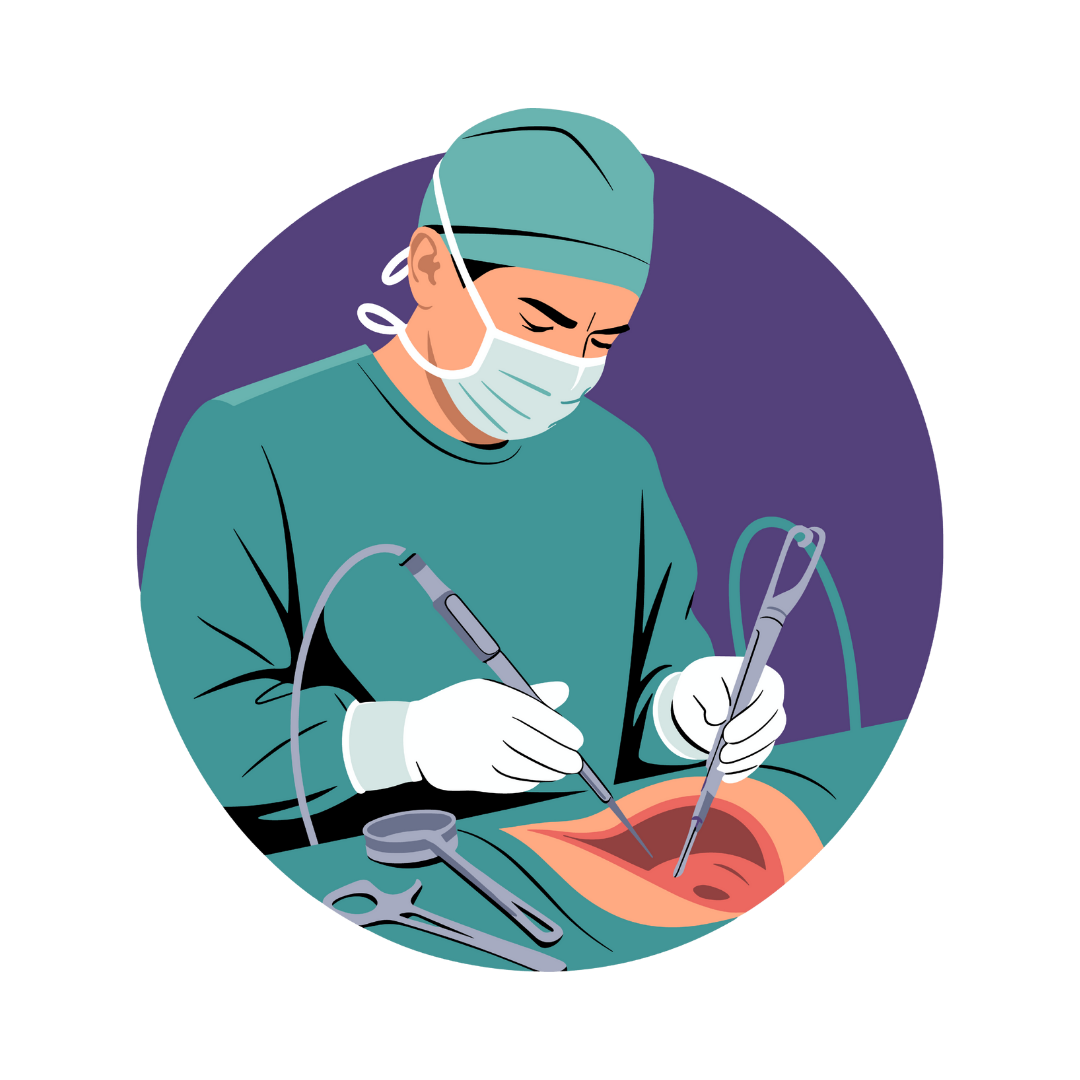
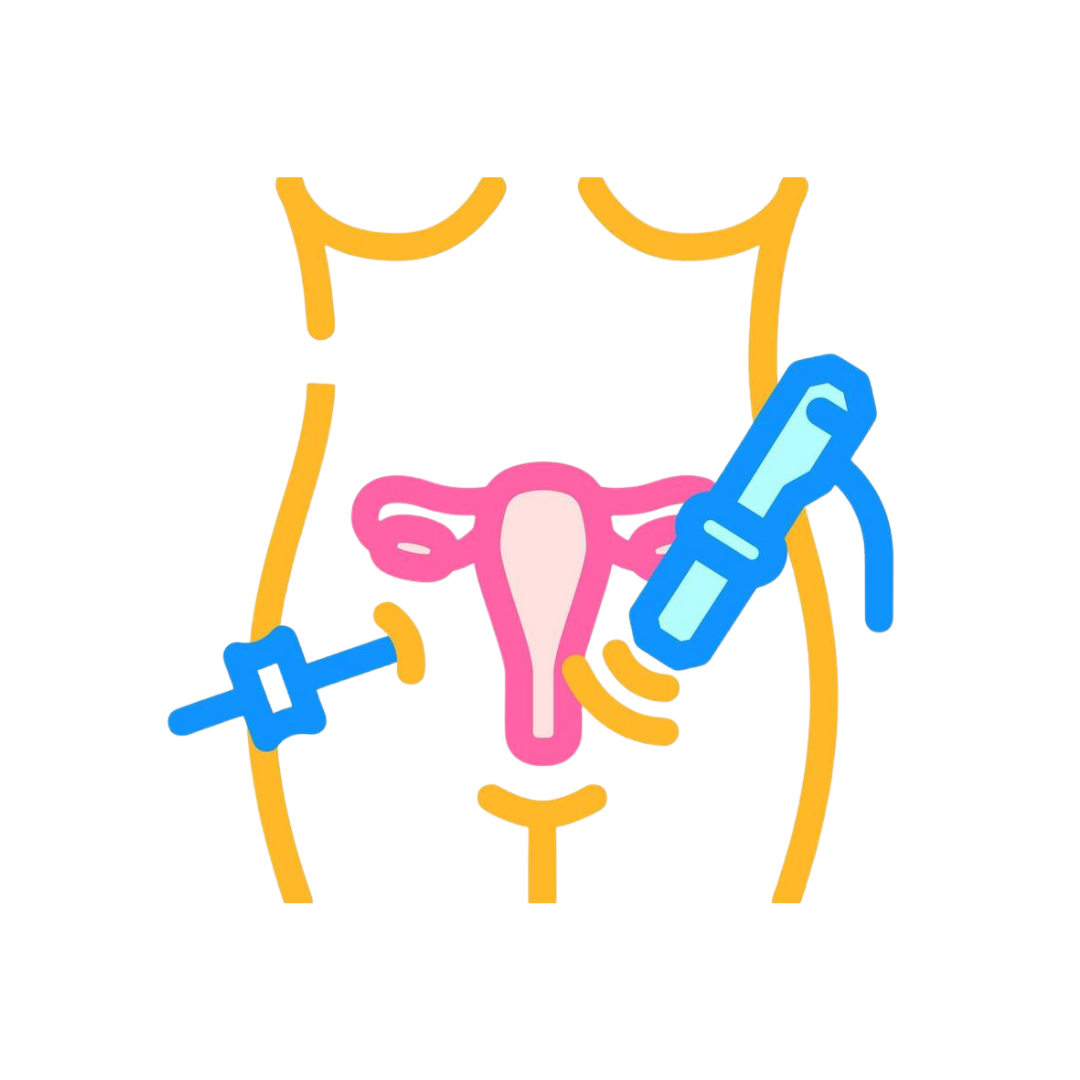
Ovarian surgery can be performed using different surgical approaches depending on the size, location, and type of lesion, as well as the patient’s overall health. Minimally invasive techniques such as laparoscopy are preferred whenever feasible, as they involve smaller incisions, shorter recovery times, less postoperative pain, and reduced risk of adhesions compared to traditional open surgery (laparotomy). In certain cases, especially with large tumors or suspected malignancy, an open surgical approach may be required for safe and complete removal.
Preservation of Ovarian Function
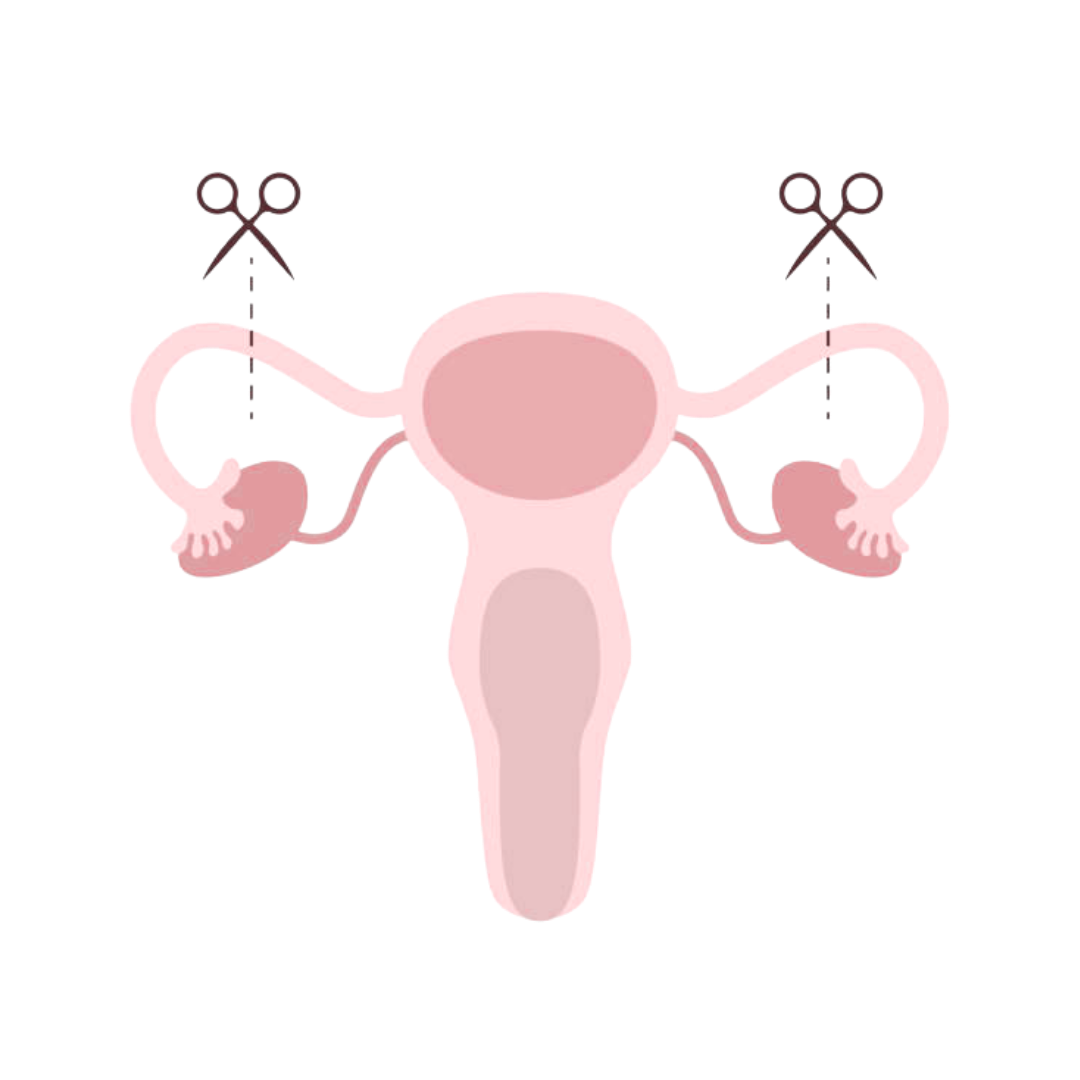
A critical goal in ovarian surgery, especially in younger women, is the preservation of ovarian tissue. This is important not only for maintaining fertility but also for ensuring hormonal balance, which regulates menstrual cycles, bone health, cardiovascular health, and overall well-being. Surgeons aim to remove only the diseased portion of the ovary whenever possible, a procedure known as ovarian cystectomy or ovarian-sparing surgery, leaving as much healthy ovarian tissue intact as possible. In postmenopausal women or in cases of malignancy, removal of the entire ovary (oophorectomy) may be necessary.
Postoperative Considerations and Recovery
After ovarian surgery, patients may experience mild to moderate discomfort, which is usually managed with pain medications. Recovery time varies depending on the type of surgery performed. Laparoscopic procedures typically allow patients to resume normal activities within a few days to a week, whereas open surgeries may require several weeks of recovery. Patients are usually advised to follow up regularly with their gynecologist to monitor ovarian function, check for recurrence of cysts or tumors, and discuss fertility planning if applicable.
Conclusion
In summary, ovarian surgery is a versatile and vital intervention for a variety of ovarian disorders, ranging from cysts and tumors to endometriosis. Modern surgical techniques emphasize minimally invasive approaches and ovarian tissue preservation whenever possible, particularly in women who wish to maintain fertility and hormonal balance. Careful patient evaluation, individualized surgical planning, and attentive postoperative care are essential to achieving optimal outcomes while minimizing risks and complications.