

Minimally Invasive: Hysteroscopy
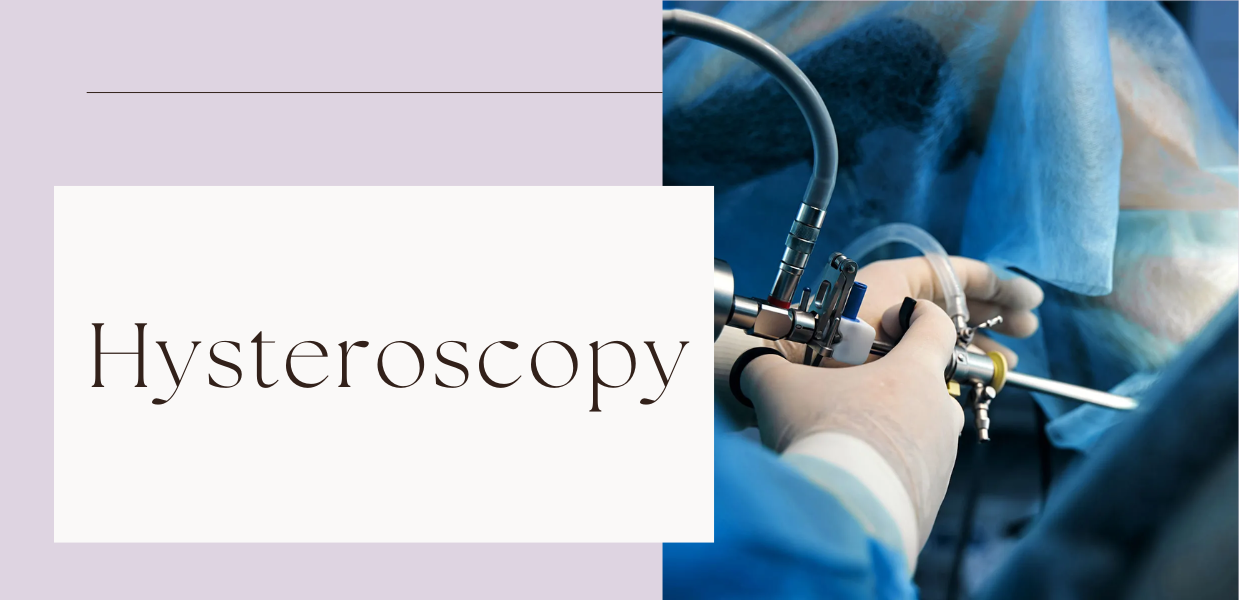
Hysteroscopy is a specialized medical procedure that allows doctors to directly visualize the inside of the uterus using a thin, lighted tube called a hysteroscope. Unlike traditional surgical methods that require large incisions, hysteroscopy is minimally invasive and can often be performed on an outpatient basis. This procedure provides both diagnostic and therapeutic benefits, making it a versatile tool in gynecology.
Uses of Hysteroscopy
Hysteroscopy is commonly recommended for women experiencing abnormal uterine bleeding, such as unusually heavy, prolonged, or irregular periods. It helps identify the underlying causes of bleeding, including polyps (small growths on the uterine lining), fibroids (benign tumors within the uterus), or structural abnormalities. Additionally, hysteroscopy is used to detect and treat uterine adhesions (scar tissue within the uterine cavity) that can develop after infections, miscarriages, or previous surgeries, which may contribute to infertility or menstrual irregularities.
The procedure is also an important tool for evaluating infertility in women. By providing a clear view of the uterine cavity, hysteroscopy allows doctors to identify abnormalities that may prevent implantation of an embryo or interfere with pregnancy. In many cases, the procedure can be both diagnostic and therapeutic, allowing immediate removal of polyps, fibroids, or adhesions during the same session.
Procedure Details
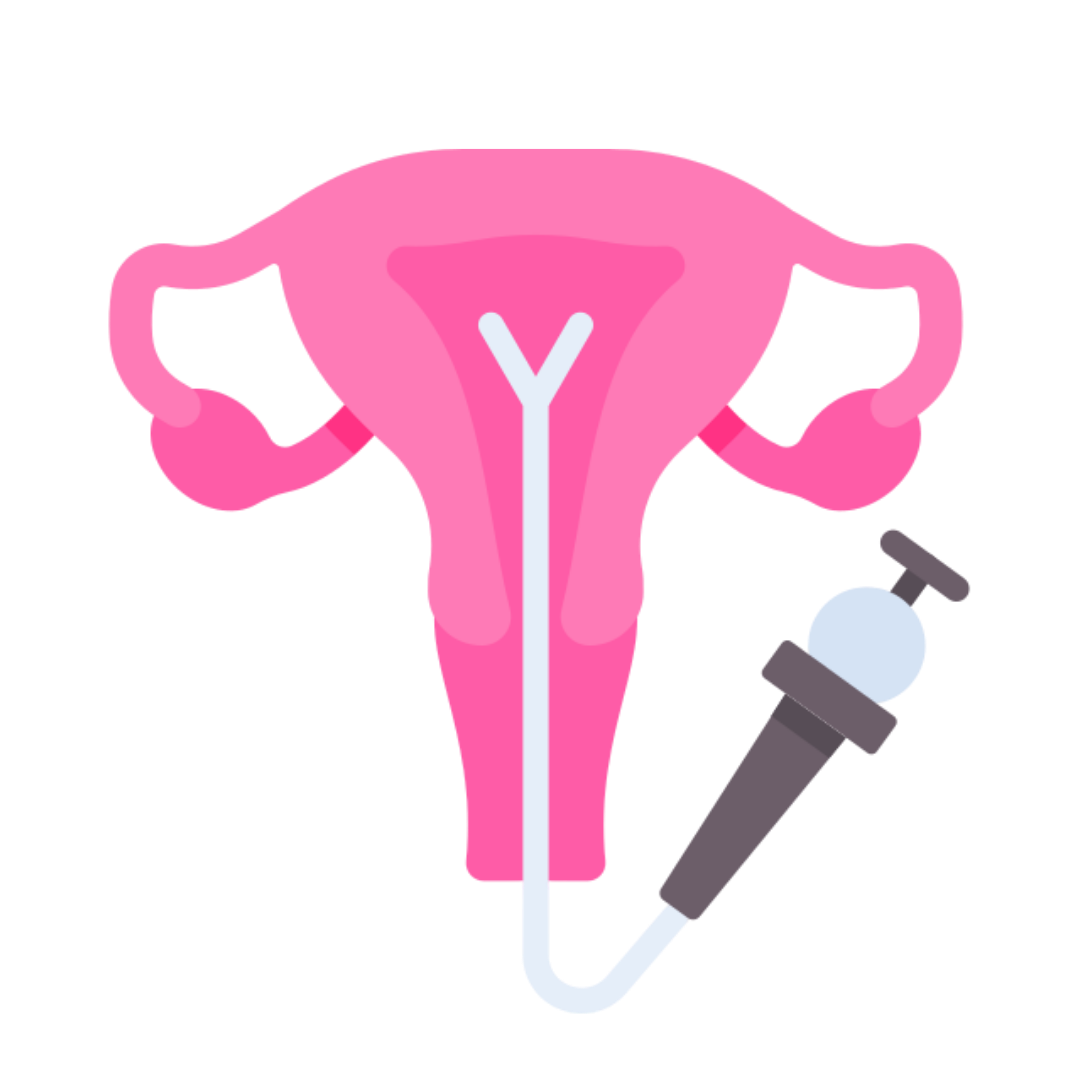
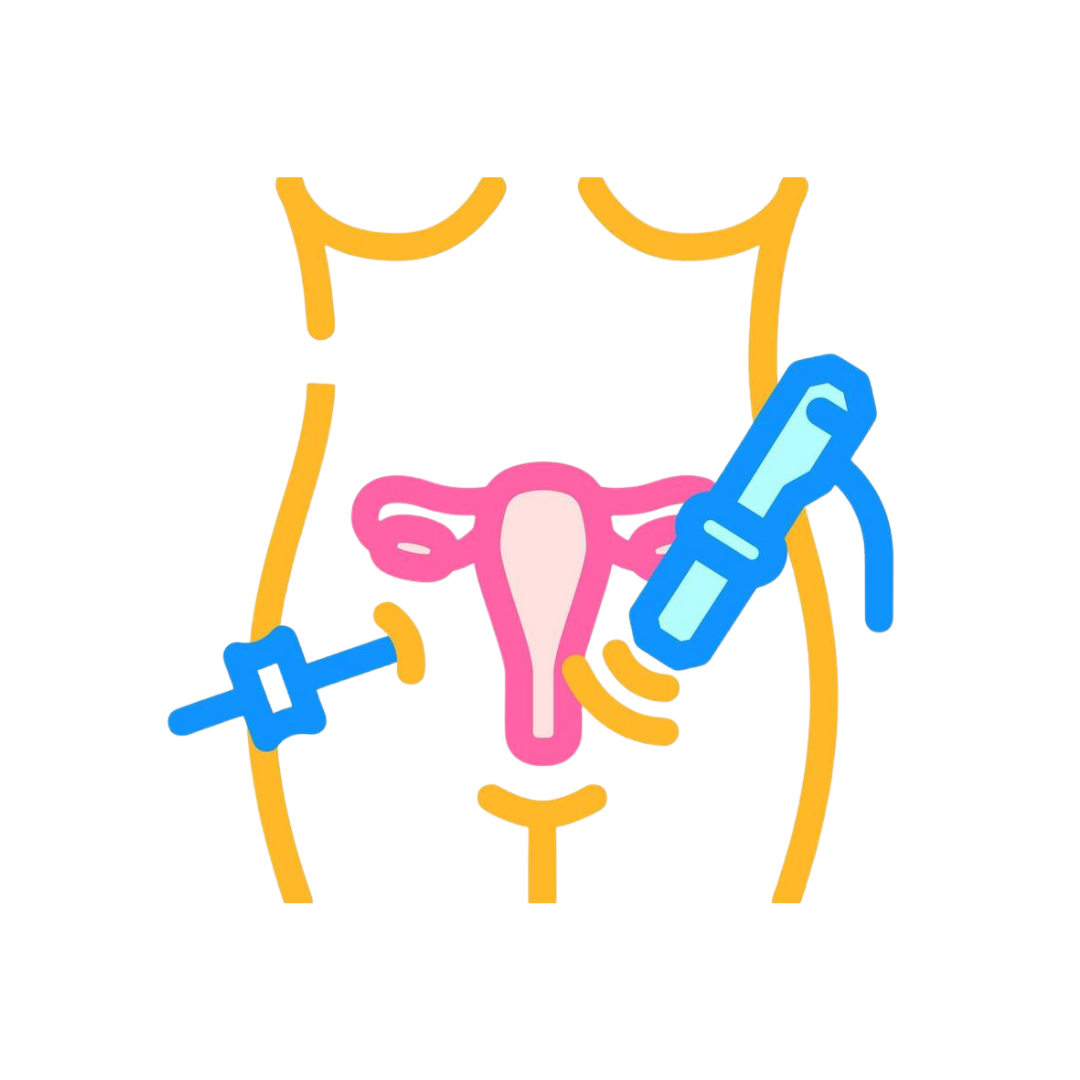
During hysteroscopy, the patient may receive local, regional, or general anesthesia, depending on the complexity of the procedure. The hysteroscope is gently inserted through the vagina and cervix into the uterus, eliminating the need for external incisions. A sterile fluid or gas may be used to expand the uterine cavity, providing a clear view of the inner lining and facilitating precise treatment. Advanced hysteroscopic tools can be used to remove abnormal growths, correct structural issues, or perform biopsies with minimal discomfort.
Advantages of Hysteroscopy
One of the major benefits of hysteroscopy is its minimally invasive nature, which typically results in less pain, shorter recovery times, and lower risk of complications compared to traditional open surgery. Most patients can resume normal daily activities within a day or two. Because it allows for direct visualization, hysteroscopy is more accurate than imaging techniques alone in diagnosing certain uterine conditions. The ability to treat abnormalities during the same procedure also reduces the need for multiple surgeries, enhancing both efficiency and patient convenience.
Recovery and Outlook
Recovery after hysteroscopy is usually rapid, with most women experiencing only mild cramping or light bleeding for a few days. Doctors may recommend avoiding heavy exercise, sexual activity, or use of tampons for a short period to allow the uterus to heal. Long-term outcomes are generally excellent, especially when the procedure is used to remove polyps, fibroids, or adhesions, as it often restores normal menstrual function and improves fertility outcomes.
In summary, hysteroscopy is a safe, effective, and minimally invasive procedure that plays a critical role in the diagnosis and treatment of a wide range of uterine conditions. By allowing direct visualization and immediate intervention, it offers women both relief from symptoms and improved reproductive health, all while minimizing surgical risks and downtime.