


Major Surgery: Tubal Surgery
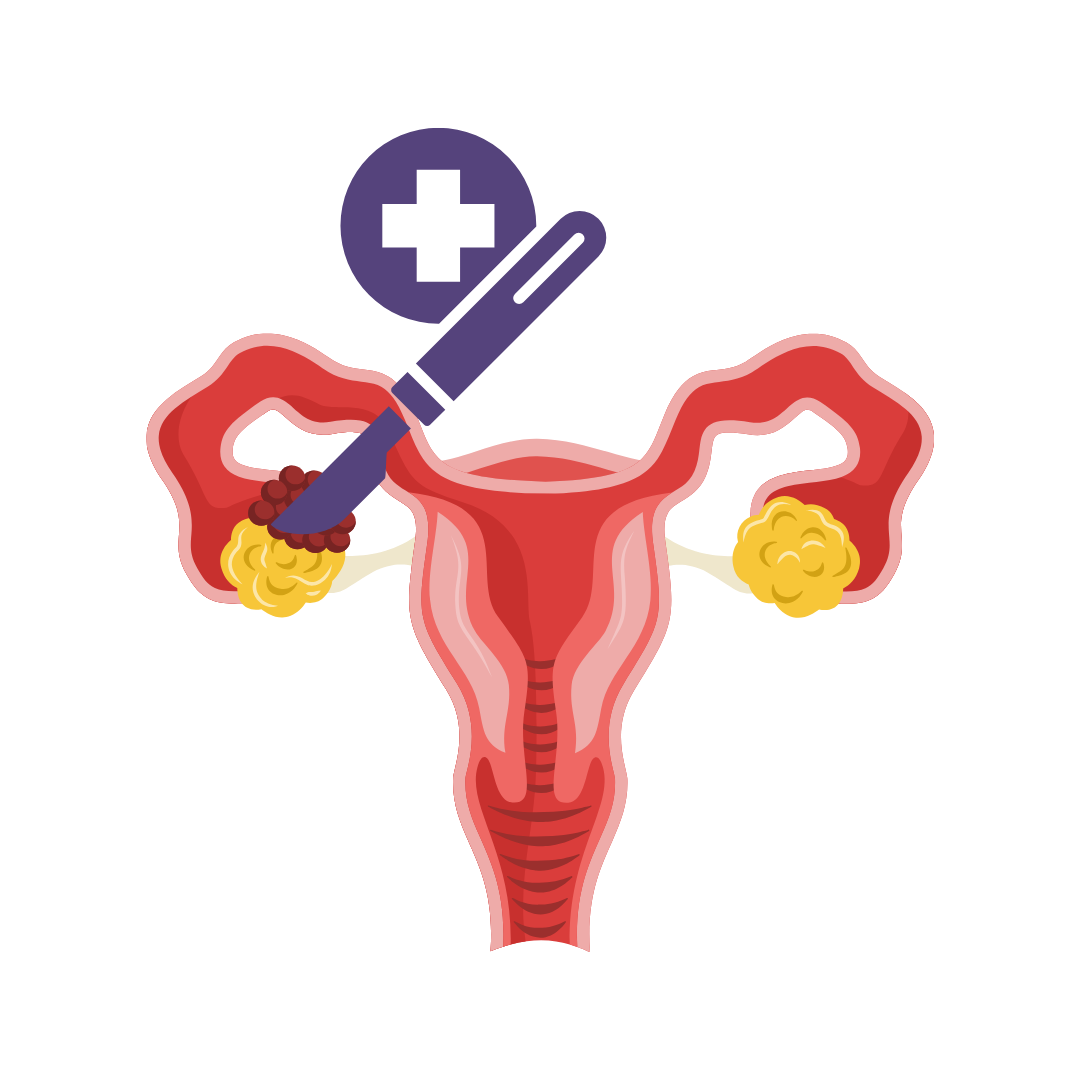
Tubal surgery refers to a range of surgical procedures that are performed on the fallopian tubes, which are a critical component of the female reproductive system. These surgeries are primarily aimed at addressing conditions that affect the function or structure of the fallopian tubes, thereby influencing fertility and overall reproductive health. The fallopian tubes serve as the passageway for eggs to travel from the ovaries to the uterus, and any obstruction, damage, or abnormality in these tubes can lead to difficulties with conception, chronic pain, or life-threatening complications such as ectopic pregnancy.
One of the most common reasons for performing tubal surgery is to treat fallopian tube blockages, which can prevent the egg and sperm from meeting and therefore cause infertility. Blockages may occur due to infections, such as pelvic inflammatory disease, prior surgeries leading to scar tissue formation, endometriosis, or congenital abnormalities. Surgical procedures aimed at restoring tubal patency, such as salpingostomy, tuboplasty, or microsurgical recanalization, are often employed to improve the chances of natural conception.
Tubal surgery is also critical in the management of ectopic pregnancies, where a fertilized egg implants outside the uterus, often within the fallopian tube itself. An ectopic pregnancy can be life-threatening if left untreated, and surgery may be required to remove the ectopic tissue while preserving as much of the fallopian tube as possible. Techniques vary from laparoscopic removal of the affected portion of the tube (salpingectomy or salpingostomy) to more conservative approaches depending on the patient’s reproductive goals and the extent of damage.
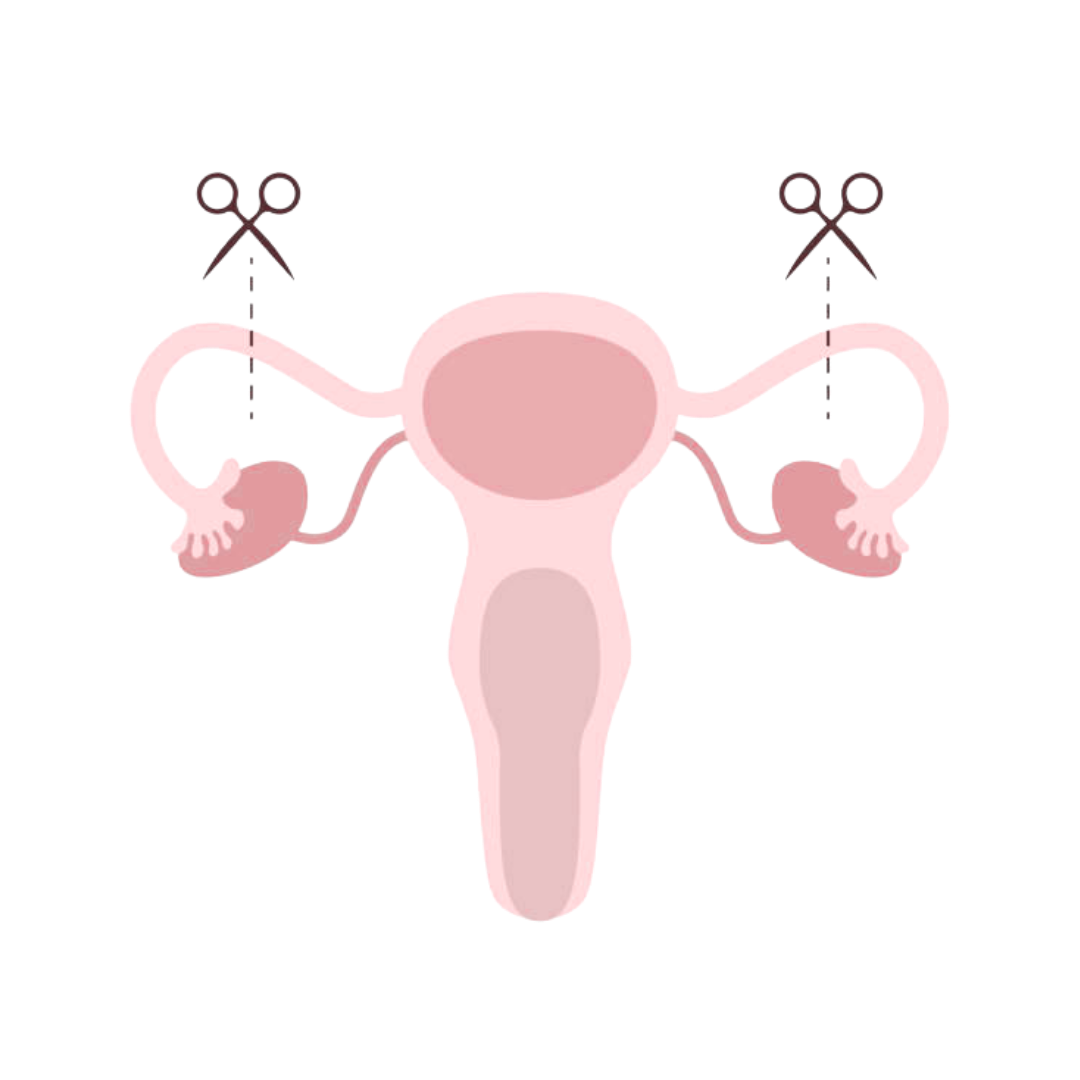
Another significant aspect of tubal surgery is sterilization, which is a permanent form of contraception. Tubal ligation procedures involve closing, blocking, or removing portions of the fallopian tubes to prevent pregnancy. These surgeries can be performed using different techniques, including laparoscopic, hysteroscopic, or mini-laparotomy approaches, and are often chosen by women who no longer wish to conceive. In some cases, women may seek tubal reversal surgery to restore fertility after previous sterilization, which is a complex microsurgical procedure requiring careful reconstruction of the tubes.
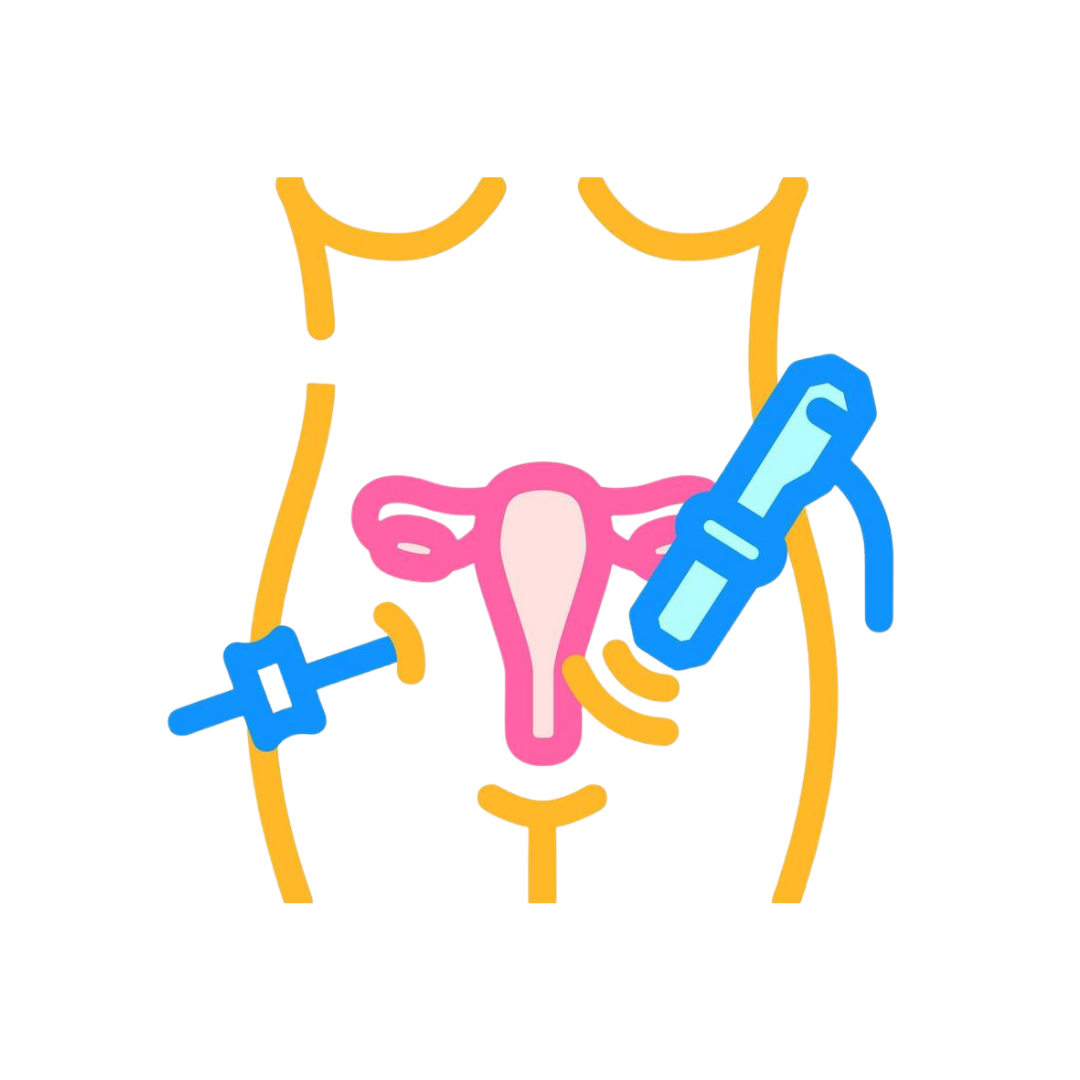
Advancements in surgical techniques, particularly the widespread adoption of laparoscopy and microsurgery, have significantly improved the outcomes of tubal surgeries. These minimally invasive procedures reduce recovery time, minimize scarring, and improve the chances of successful conception compared to traditional open surgeries. Additionally, careful preoperative evaluation using imaging studies such as hysterosalpingography or sonohysterography helps in planning the most appropriate surgical approach tailored to each patient’s condition.
Overall, tubal surgeries play a crucial role in reproductive health management by addressing structural or functional abnormalities of the fallopian tubes. Whether the goal is to treat infertility, manage ectopic pregnancy, or provide permanent contraception, these procedures require careful assessment, surgical expertise, and postoperative follow-up to optimize outcomes and preserve reproductive potential whenever possible. Advances in surgical techniques continue to enhance the safety, effectiveness, and accessibility of these important interventions for women’s health.