

Cesarean Section (C-Section)
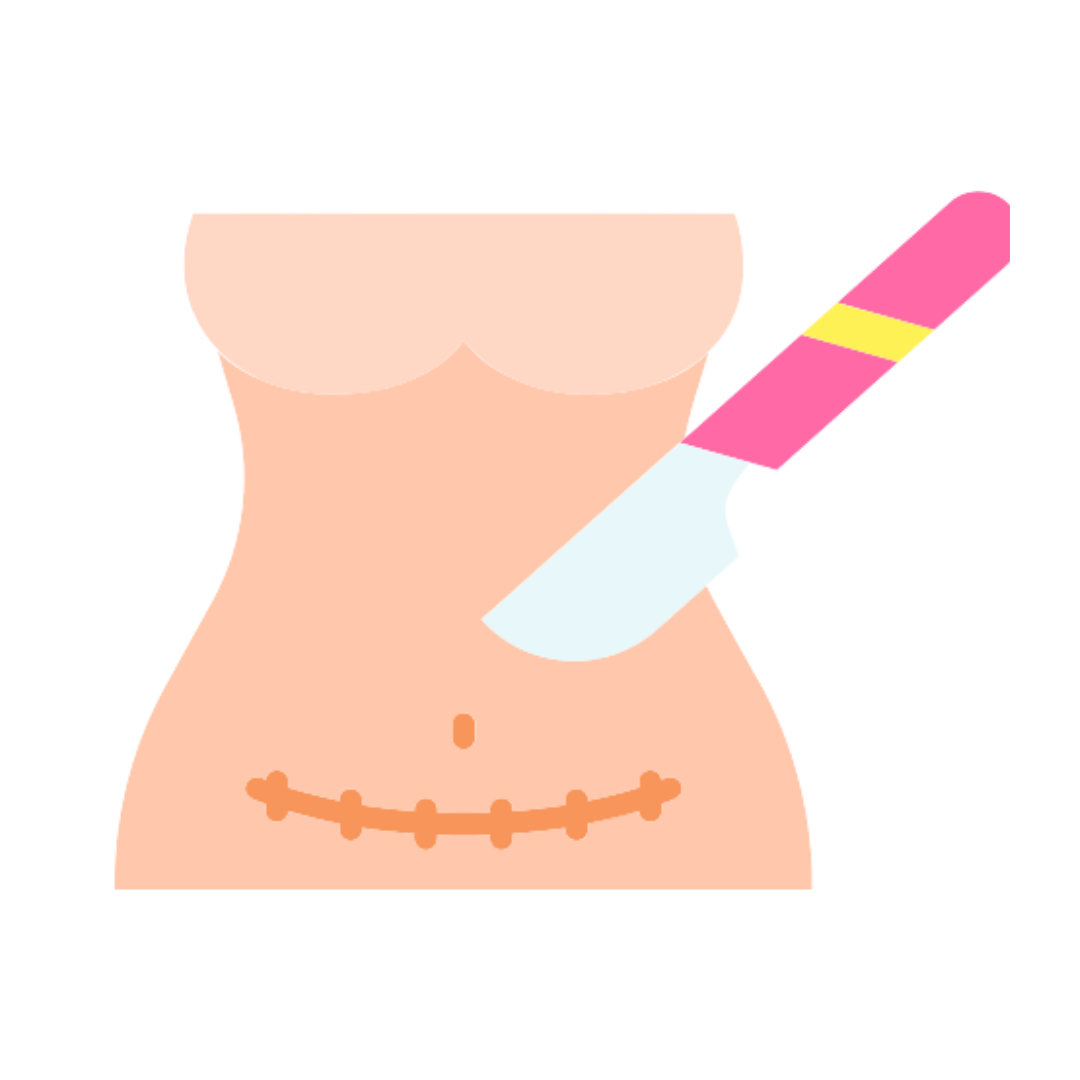
A Cesarean section, commonly known as a C-section, is a surgical procedure used to deliver a baby through carefully made incisions in the mother’s abdomen and uterus. This procedure is performed when a vaginal delivery may pose risks to the mother, the baby, or both. Medical indications for a C-section can include prolonged or obstructed labor, fetal distress, abnormal positioning of the baby (such as breech presentation), placenta-related complications, multiple pregnancies, or certain maternal health conditions like high blood pressure or diabetes. In some cases, a planned C-section may be recommended in advance based on clinical assessments, while in others it may be decided urgently during labor.
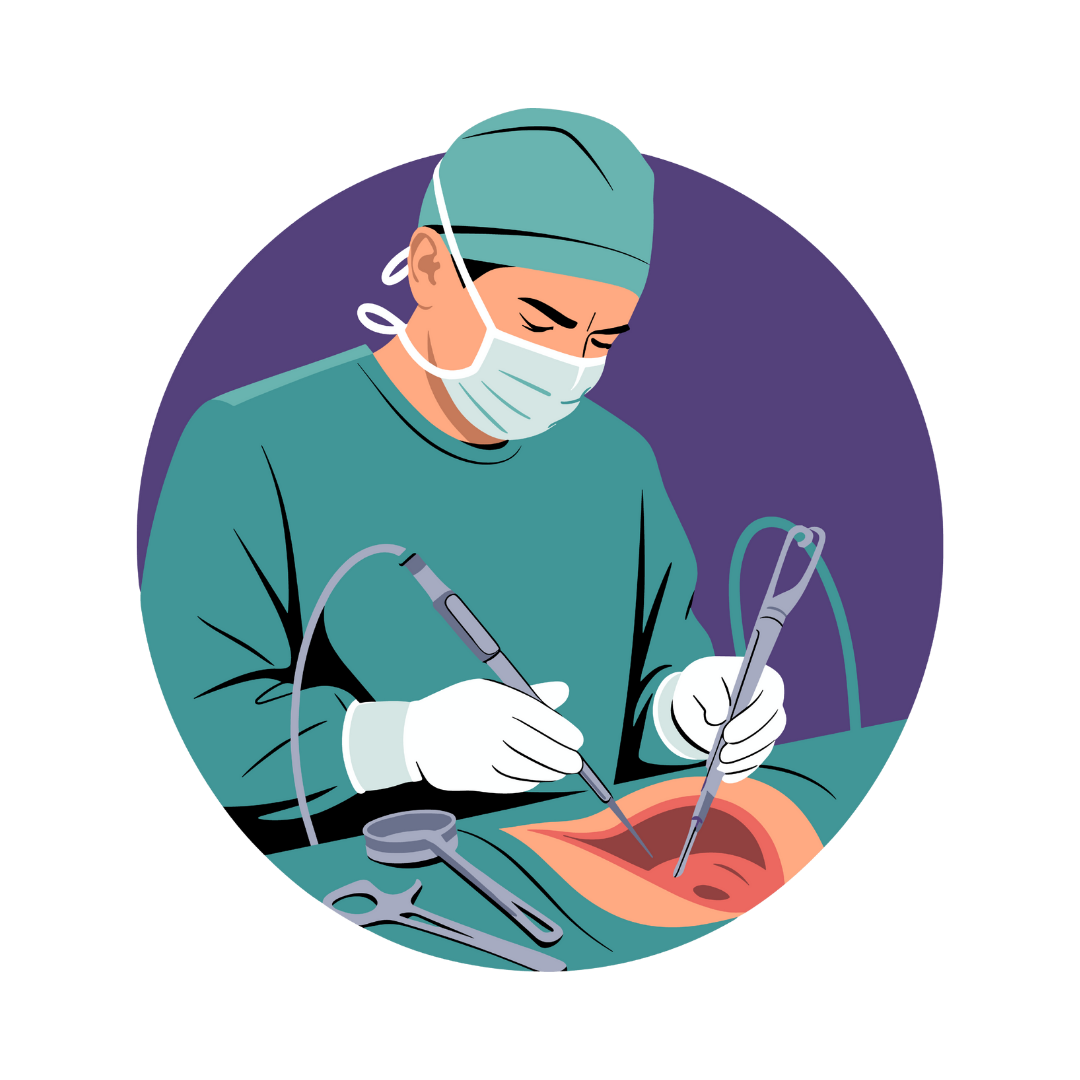
C-sections are conducted using modern surgical techniques that prioritize precision, safety, and minimal tissue trauma. The procedure takes place in a fully equipped operating room, following strict infection-control and safety protocols. Advanced anesthesia care—most commonly spinal or epidural anesthesia—is used to ensure that the mother remains comfortable and pain-free during the surgery while staying awake to experience the birth. In specific situations, general anesthesia may be used if medically required. Throughout the procedure, vital signs of both the mother and baby are continuously monitored by a skilled medical team that includes obstetricians, anesthesiologists, nurses, and pediatric specialists.
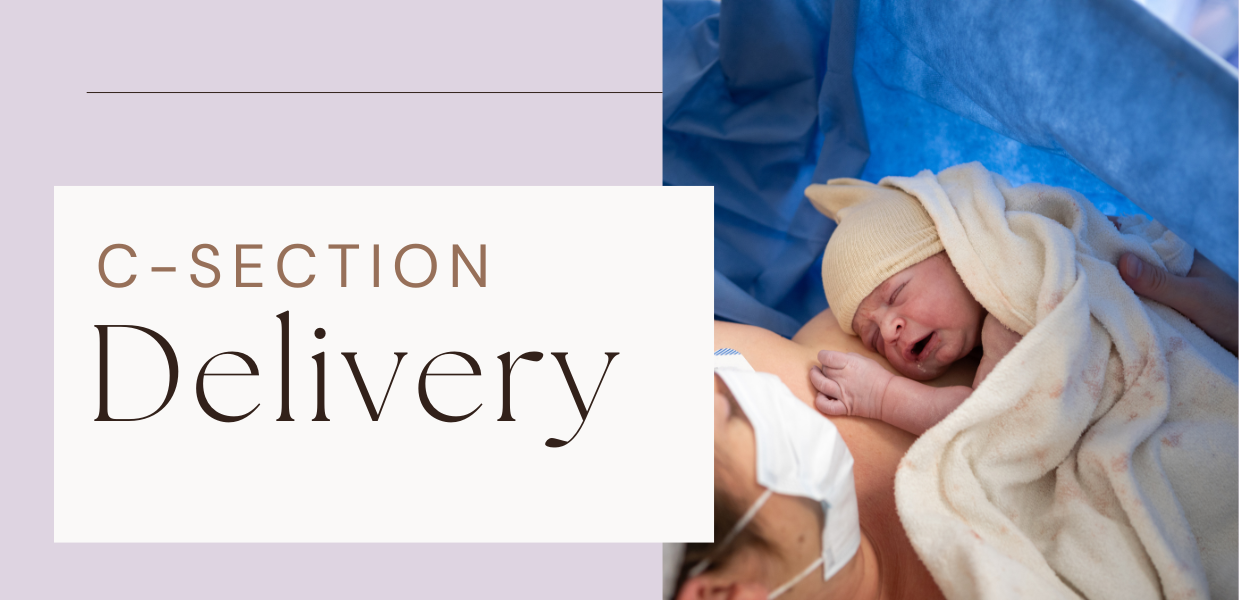
After delivery, immediate care is provided to the newborn, including assessment of breathing, heart rate, and overall well-being. Skin-to-skin contact and early initiation of breastfeeding are encouraged whenever possible, even in the operating or recovery room, to promote bonding and support the baby’s transition to life outside the womb. The surgical incision is then carefully closed using appropriate techniques to support healing and reduce the risk of complications.
Post-operative recovery following a C-section is closely monitored to ensure the mother’s safety and comfort. Pain management is an important part of recovery and may include medications, regional anesthesia effects, and non-pharmacological methods to support mobility and rest. Mothers are guided on how to move safely, care for the surgical incision, and recognize signs of infection or complications. Support is also provided for breastfeeding positions that minimize discomfort, as well as advice on nutrition, hydration, and gradual return to physical activity.
In the days and weeks following the procedure, postnatal care focuses on both physical and emotional recovery. Follow-up assessments help ensure proper healing, uterine recovery, and overall maternal well-being. Education is provided on newborn care, family planning, and long-term recovery expectations. With appropriate medical support, rest, and guidance, most women recover well from a C-section and go on to enjoy healthy bonding and caregiving experiences with their baby.