


Tonsillectomy
What Is a Tonsillectomy?
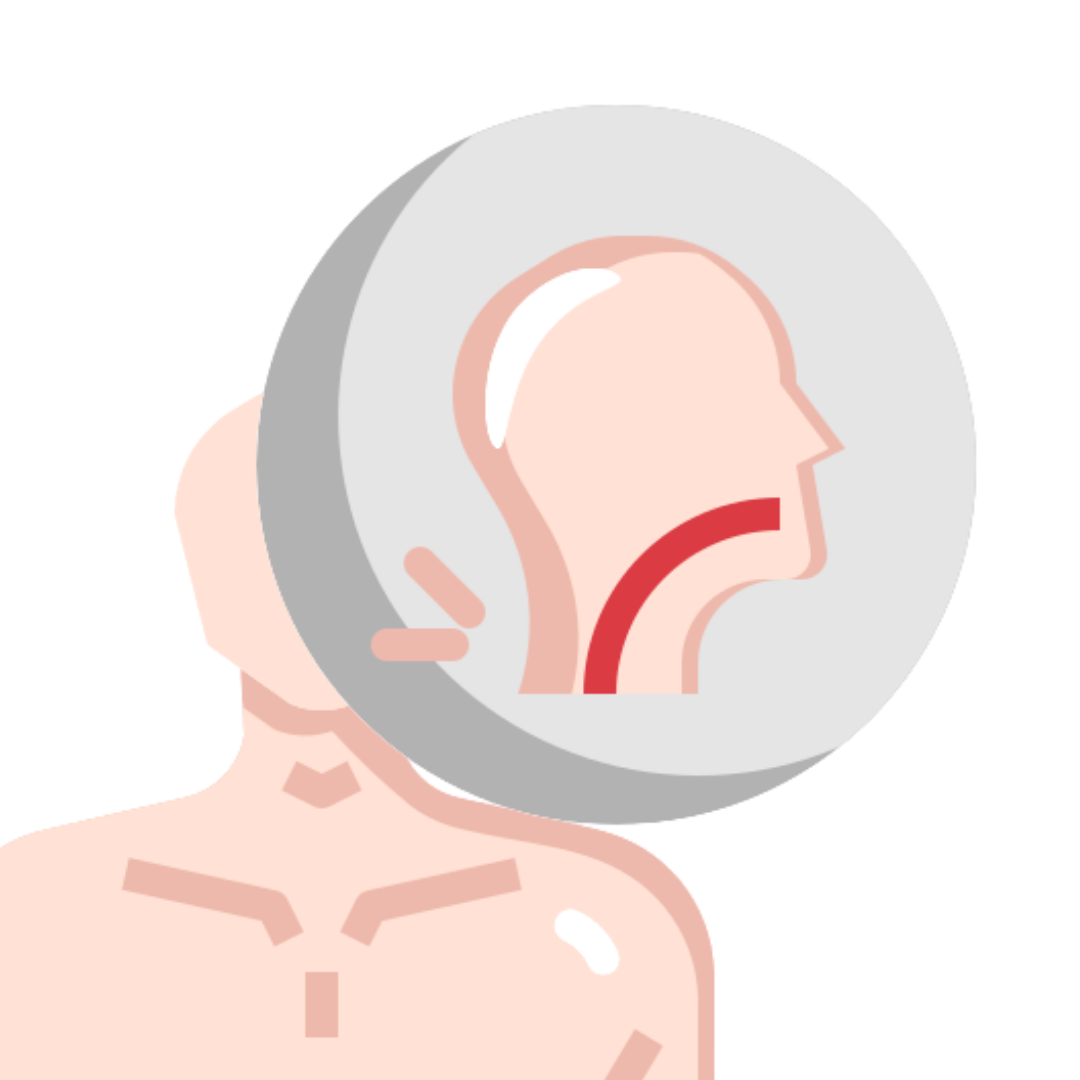
A tonsillectomy is a surgical procedure to remove the tonsils, which are two small, oval-shaped glands located at the back of the throat. Tonsils play a role in the immune system by helping fight infections, especially during childhood. However, when they become frequently infected or enlarged, they can cause significant health problems and may need to be removed.
Tonsillectomy is a common and safe procedure performed in both children and adults to relieve recurrent throat infections, breathing difficulties, and other tonsil-related issues.
Why Is Tonsillectomy Needed?
Tonsil removal is recommended when the tonsils cause repeated infections or interfere with normal breathing and swallowing. Your doctor may advise a tonsillectomy if you experience:
- Recurrent tonsillitis (frequent sore throat infections)
- Chronic tonsillitis that does not respond to medication
- Enlarged tonsils causing breathing problems
- Sleep-related breathing disorders such as obstructive sleep apnea
- Difficulty swallowing food due to swollen tonsils
- Recurrent abscesses around the tonsils (peritonsillar abscess)
- Persistent bad breath caused by tonsil stones
- Suspicion of abnormal or cancerous growth (rare cases)
Symptoms That May Indicate Tonsil Problems
Common symptoms that may suggest the need for tonsillectomy include:
- Frequent sore throats
- Pain while swallowing
- Swollen or red tonsils
- White or yellow patches on the tonsils
- Fever and fatigue
- Snoring or mouth breathing
- Restless sleep or breathing pauses during sleep
- Bad breath that does not improve with oral hygiene
If these symptoms occur repeatedly, it is important to consult an ENT specialist for evaluation.
Types of Tonsillectomy Procedures
There are different techniques used to perform a tonsillectomy. The choice of method depends on the patient’s condition, age, and medical history.
Common methods include:
- Conventional (Cold Steel) Tonsillectomy – Removal using surgical instruments
- Electrocautery Tonsillectomy – Uses heat to remove tonsils and control bleeding
- Coblation Tonsillectomy – Uses low-temperature radiofrequency energy, resulting in less pain and faster recovery
- Laser Tonsillectomy – Uses laser energy to remove tonsil tissue
Your doctor will recommend the most suitable approach based on your needs.
How the Procedure Is Performed
A tonsillectomy is usually done under general anesthesia, meaning the patient is asleep and pain-free during the procedure.
Procedure steps include:
- Administration of anesthesia
- Surgical removal of the tonsils through the mouth (no external cuts)
- Control of bleeding
- Monitoring during recovery
The surgery typically takes 30 to 45 minutes, and most patients can go home the same day.
Recovery After Tonsillectomy
Recovery time varies between children and adults, but most patients recover within 10 to 14 days.
Common recovery experiences include:
- Sore throat
- Mild ear pain (referred pain)
- Difficulty swallowing
- Temporary voice changes
- Fatigue
Post-surgery care tips:
- Drink plenty of fluids
- Eat soft foods such as soups, yogurt, and mashed foods
- Avoid spicy, hard, or hot foods
- Take prescribed pain medications as advised
- Get adequate rest
- Avoid strenuous activities during recovery
Following your doctor’s post-operative instructions helps ensure a smooth and safe recovery.
Benefits of Tonsillectomy
Tonsillectomy offers several long-term benefits, including:
- Reduced frequency of throat infections
- Improved breathing and sleep quality
- Relief from chronic sore throat pain
- Better swallowing and eating comfort
- Improved overall quality of life
For patients with sleep apnea or chronic infections, tonsil removal can significantly improve daily functioning and health.
Is Tonsillectomy Safe?
Tonsillectomy is considered a safe and routine procedure when performed by an experienced surgeon. Like any surgery, it carries some risks, such as bleeding, infection, or reaction to anesthesia, but serious complications are rare.
Your doctor will discuss potential risks and benefits before surgery and ensure proper evaluation before proceeding.
Frequently Asked Questions (FAQs)
1. At what age can a tonsillectomy be done?
Tonsillectomy can be performed at any age, but it is most commonly done in children. Adults can also safely undergo the procedure when medically necessary.
2. Is tonsillectomy painful?
Some pain or discomfort is expected after surgery, especially while swallowing. Pain is usually manageable with prescribed medications and gradually improves within a few days.
3. How long does recovery take?
Most patients recover within 10 to 14 days. Children often recover faster than adults.
4. Can I eat normally after tonsillectomy?
Initially, a soft or liquid diet is recommended. Normal eating can usually resume gradually as pain decreases.
5. Are there any risks associated with tonsillectomy?
Minor risks include bleeding, infection, and temporary pain. Serious complications are rare when the procedure is performed by a qualified doctor.
6. Will removing tonsils affect immunity?
Tonsils are part of the immune system, but removing them does not significantly weaken immunity. Other immune tissues in the body continue to protect against infections.
7. When can I return to work or school?
Most patients can return to normal activities within 1 to 2 weeks, depending on recovery progress.
8. Do tonsils grow back after surgery?
No, once removed, tonsils do not grow back.